Julian Assange was isolated for more than a decade. Here’s what that does to the body and mind
- Written by: Carol Maher, Professor, Medical Research Future Fund Emerging Leader, University of South Australia
Anyone who lived through the COVID pandemic would likely understand that even a small period of isolation can cause physical and mental stress[1].
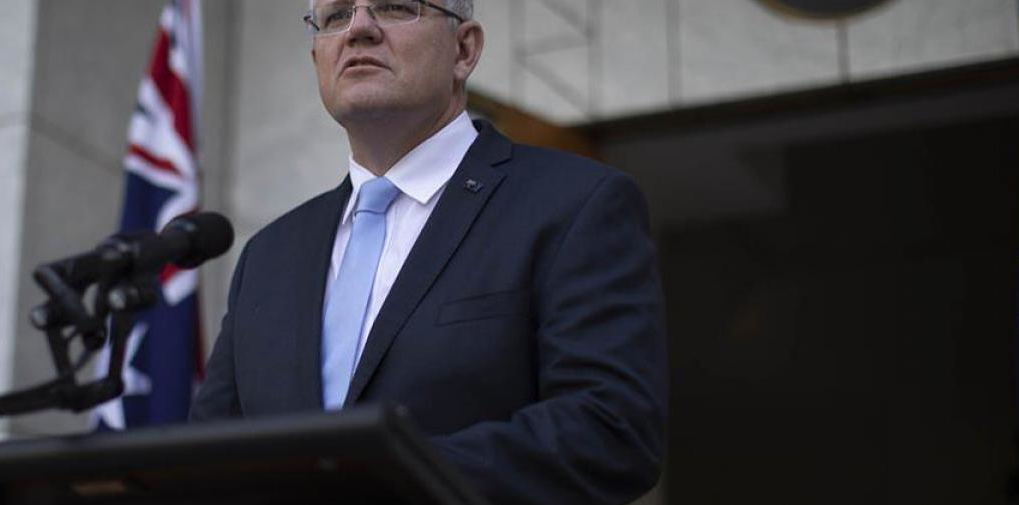
WikiLeaks founder Julian Assange – who will return to Australia[2] after reaching a plea deal with the US Department of Justice – is reported to have suffered[3] various mental and physical challenges during his almost 15 years in some form of isolation.
Assange was first arrested in Britain in 2010 after Swedish authorities said they wanted to question him over sex crime allegations[4].
After exhausting legal avenues to stop an extradition to Sweden, in June 2012 he entered Ecuador’s embassy in London[5], where he remained for seven years.
In early 2019, he was jailed for skipping bail[6] and held at London’s Belmarsh prison where he spent most of the following five years fighting extradition to the US. Now, he’s coming home.
While we have no idea how Assange is coping from being cooped up inside for so long with few visitors, we do know that isolation can have a severe negative impact[7] on many people.
How physical inactivity impacts your body
Physical activity is vital for overall health[8]. It keeps your heart strong, helps manage weight, and builds muscle and bone strength.
Regular exercise also lifts your mood, reducing symptoms of depression and anxiety, and sharpens your mind. Plus, it boosts your immune system[9], making you more resistant to infections and diseases.
When you don’t move enough, especially in isolation, your health can take a hit. Muscles weaken and joints stiffen, making you less strong and flexible.
Your heart health[10] suffers, too, raising the risk of high blood pressure, heart attacks and strokes because your heart isn’t getting the workout it needs.
Metabolic issues such as obesity and type 2 diabetes[11] become more common with inactivity, especially if you don’t have access to healthy food.
Isolation often means less fresh air and sunlight, both crucial for good health. Poor ventilation can lead to respiratory problems[12]. Lack of sunlight can cause vitamin D deficiency[13], weakening bones and the immune system, and increasing the risk of fractures.
These effects fit with the reports that Assange suffered a mini-stroke[14] in 2021 and a broken rib[15] from persistent coughing fits while in isolation.
What about mental health?
Social disconnection comes in two main forms, both of which have serious consequences for our mental health.
The first is social isolation. The reasons for being isolated are many and varied, including geographical distance, lack of access to transport, or incarceration.
The end result is the same: you have few relationships, social roles or group memberships, and limited social interaction.
The second form of social disconnection is more invisible but just as harmful.
Loneliness[16] is that subjective, unpleasant feeling of wanting but lacking satisfying relationships with others.
You can be isolated and not feel lonely, but the two are often unwelcome bedfellows.
Social connection is not a luxury. It’s a fundamental need, as essential to our health as food and water.
Just as hunger reminds us to eat, loneliness acts as a signal[17] alerting us that our social relationships are weak and need to be improved if we are to remain healthy.

The science around the health impacts of social disconnection is clear, especially when it is prolonged. So much so, the World Health Organization recently launched a Commission on Social Connection[19] to increase awareness of the impact of social isolation and loneliness on health and have it recognised as a global health priority.
Substantial evidence shows social isolation and loneliness are linked to poorer cognitive functioning and an increased risk of dementia, though possibly in different ways[20].
Among adults aged 50 years and over, chronic (meaning persistent and severe) loneliness and social isolation may increase the risk of dementia by around 50%[21].
A lack of cognitive stimulation that naturally occurs when interacting with others, whether it’s old friends or strangers, might explain the link[22] between social isolation and cognitive difficulties (think “use it or lose it”).
On the other hand, loneliness may impact cognitive health[23] through its effects on emotional wellbeing. It’s a well-known risk factor[24] for developing depression, anxiety and suicidality.
For instance, studies show[25] the chances of developing depression in adults is more than double in people who often feel lonely, compared with those who rarely or never feel lonely.
Other research examining 500,000 middle-aged adults over nine years showed living alone doubled the risk of dying by suicide for men, while loneliness increased the risk of hospitalisation[26] for self-harm in both men and women.
In a 2023 report[27], the US Surgeon General’s advisory concluded:
Given the totality of the evidence, social connection may be one of the strongest protective factors against self-harm and suicide among people with and without serious underlying mental health challenges.
What about after release?
When a person leaves long-term isolation, they’ll face many challenges as they re-enter society.
The world will have changed. There’s a lot to catch up on, from technological advancements to shifts in social norms.
In addition to these broader changes, there’s a need to focus on rebuilding physical and mental health. Health issues that developed during isolation can persist or worsen[28]. A weakened immune system might struggle with new infections in a post-COVID world.
To navigate this transition, it’s important to establish a routine that includes regular exercise, nutritious meals and comprehensive medical and psychological care.
Gradually increasing social interactions can also help in rebuilding relationships and social connections. These steps are supportive in restoring overall health and wellbeing in a changed world.
References
- ^ physical and mental stress (pubmed.ncbi.nlm.nih.gov)
- ^ who will return to Australia (theconversation.com)
- ^ reported to have suffered (www.afr.com)
- ^ question him over sex crime allegations (www.theguardian.com)
- ^ Ecuador’s embassy in London (www.theguardian.com)
- ^ jailed for skipping bail (www.reuters.com)
- ^ a severe negative impact (theconversation.com)
- ^ overall health (jamanetwork.com)
- ^ immune system (www.ncbi.nlm.nih.gov)
- ^ heart health (www.ahajournals.org)
- ^ type 2 diabetes (www.ncbi.nlm.nih.gov)
- ^ respiratory problems (www.mdpi.com)
- ^ vitamin D deficiency (academic.oup.com)
- ^ mini-stroke (www.theguardian.com)
- ^ broken rib (www.theguardian.com)
- ^ Loneliness (psychology.org.au)
- ^ loneliness acts as a signal (healthymale.org.au)
- ^ David Cliff/AP (www.photos.aap.com.au)
- ^ Commission on Social Connection (www.who.int)
- ^ different ways (www.ncbi.nlm.nih.gov)
- ^ around 50% (www.tandfonline.com)
- ^ the link (www.ncbi.nlm.nih.gov)
- ^ may impact cognitive health (www.ncbi.nlm.nih.gov)
- ^ a well-known risk factor (www.nature.com)
- ^ studies show (pubmed.ncbi.nlm.nih.gov)
- ^ increased the risk of hospitalisation (pubmed.ncbi.nlm.nih.gov)
- ^ 2023 report (www.hhs.gov)
- ^ persist or worsen (www.thelancet.com)
Authors: Carol Maher, Professor, Medical Research Future Fund Emerging Leader, University of South Australia