The Psychology of Your Floor Plan: How Layout Shapes the Way You Live
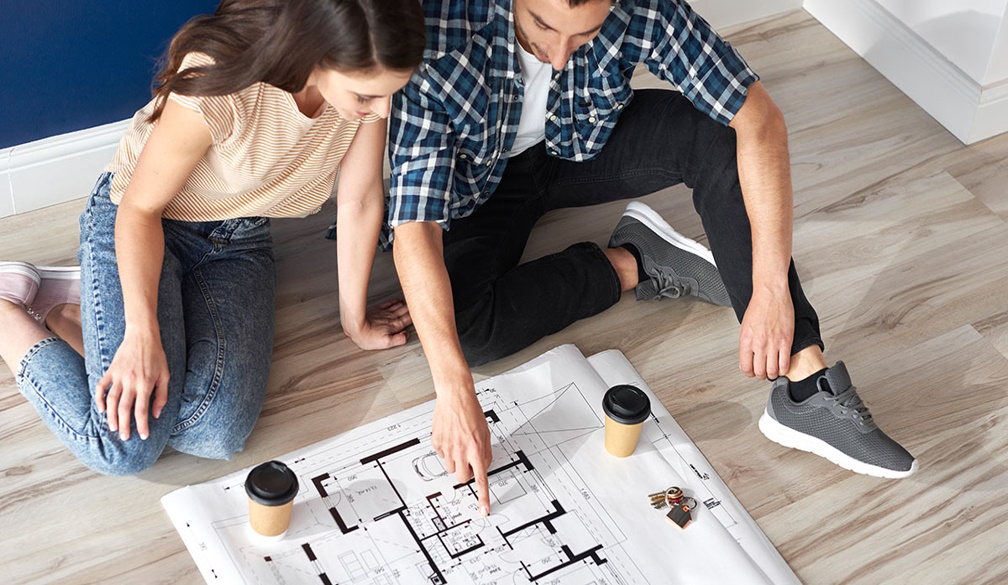
When most people think about designing a new home, they focus on finishes, colours, or even the kitchen benchtop. But the quiet hero of liveability is the floor plan. A well-considered floor plan doesn’t just decide where the rooms go; it sets the rhythm of daily life, influencing everything from how you socialise with your family to how easily you can find a moment of calm.
Why the floor plan matters more than you think
The psychology of space has been studied for decades, and researchers consistently find that layout has a direct effect on wellbeing. An open floor plan, for example, encourages interaction. Families are more likely to cook, chat, and relax together when there aren’t walls dividing every activity. At the same time, too much openness can leave you craving privacy or a quiet space to work. The trick is balance — allowing communal areas to feel inviting, while still designing zones that promote rest and focus.
When the house builders Bundaberg team work with clients, they often highlight that choosing a floor plan is about far more than aesthetics. It’s about anticipating how a household will move through the day. Where will you drink your morning coffee? Will the children’s bedrooms be close enough for comfort, but far enough to allow for peace in the evenings? Small choices in the floor plan become big influences on daily life.
Flow, movement, and the feeling of home
Think about how you naturally walk through a space. If a hallway feels cramped or if the lounge is tucked awkwardly away from the kitchen, the flow of a house feels disjointed. This disruption has a subtle psychological effect, often creating stress or frustration without you realising why.
A floor plan with smooth circulation patterns, by contrast, makes a house feel effortless. Walking from your entryway to the main living space should feel like a natural progression. The orientation of doors and windows matters, too. Sunlight spilling into a hallway or a glimpse of the garden through a kitchen window can lift mood and create a sense of connection with the outdoors. These seemingly minor design decisions build into a strong sense of home.
The social side of space
The way rooms connect also shapes social behaviour. A kitchen that opens onto a living room means that whoever is preparing dinner can still be part of the conversation. A separate dining room can feel formal, while an integrated meals area tends to encourage casual connection. For families, having a visible line of sight from the kitchen to a play area often brings peace of mind.
Even visitors pick up on the psychology of a floor plan. A welcoming entryway with a direct path into the living area communicates hospitality. A confusing or closed-off layout can unintentionally feel less inviting. In this sense, the design of your home influences not only how you feel but how others experience being in your space.
Privacy, retreat, and the need for balance
Just as connection is important, so is separation. Bedrooms placed too close to high-traffic living areas may compromise rest. A home office tucked near the entry can create a productive buffer between professional and personal life. In multi-generational households, private retreats become essential for harmony.
This is where the psychology of the floor plan really comes into play: recognising that humans need both connection and solitude. A clever layout acknowledges both, creating a home that supports different moods and moments across the day. A custom home building designer can help you realise a home that suits your lifestyle and phases of life.
Lessons from the experts
The experienced house builders Bundaberg team often say that the most successful homes are those where clients are encouraged to imagine their daily routines. They walk through the plan in their minds, picturing where they’ll store the groceries, how children will move between bedrooms and outdoor spaces, and where the family will gather for movie night. These exercises uncover potential design conflicts early, allowing adjustments that ultimately make the house a more joyful place to live.
The invisible blueprint of wellbeing
The beauty of a thoughtfully designed floor plan is that you don’t notice it once you’re living in the space. It simply feels right. You move seamlessly from one area to another, you find moments of rest when you need them, and you share time with loved ones without feeling crowded.
In that sense, a floor plan is more than lines on paper — it’s the invisible blueprint of wellbeing. It shapes how you experience home every day, often in ways you only appreciate once you’ve settled in. And when you step back, you realise that the true psychology of a house lies not in the paint colours or the décor, but in the thoughtful design of its spaces and the way they quietly guide your life.