Creating a Custom Bathroom Vanity: Plan for These Things
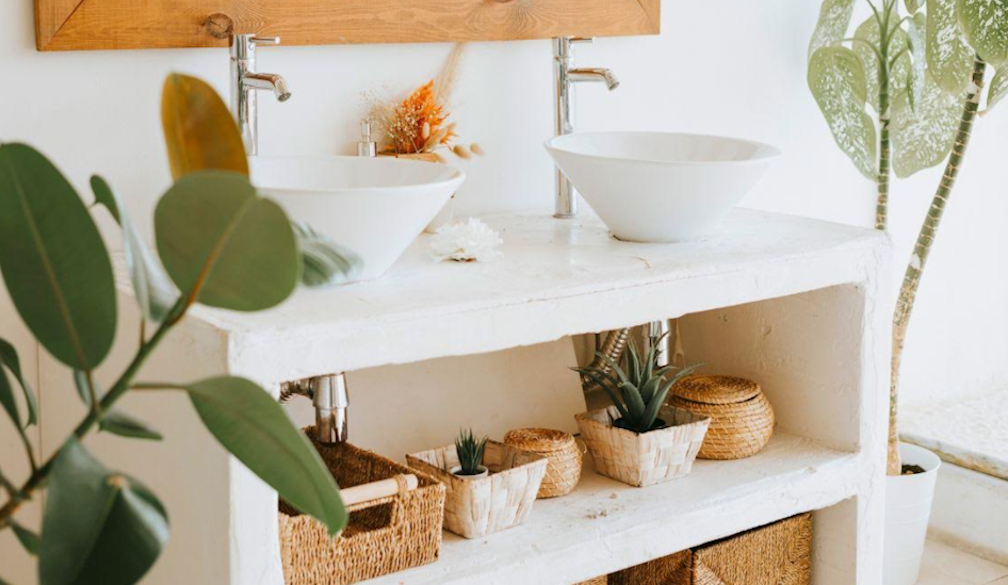
Doing a bathroom reno and think a custom bathroom vanity could be just the thing? A custom vanity can completely transform the look and feel of a bathroom, from a standard Bunnings look to something all you. But before you get too far into the dream, there's some solid planning that needs to happen first. Getting these decisions right at the start will save you time, money, and a fair bit of frustration down the track.
Start With Your Space and How You Use It
The first thing to nail down is your available space. Measure the room carefully, not just the wall where the vanity will sit, but the clearance around the door, the distance from the toilet, and any awkward angles or alcoves you're working with. Australian bathrooms, particularly in older homes, can be surprisingly compact, and a vanity that looks perfect in an app or showroom may not suit your floor plan at all.
Think about how you use your bathroom. Is it shared between a couple, a family with young children, or is it a private ensuite? A double basin with generous bench space makes sense for two people getting ready simultaneously, while a single, well-designed vanity may serve a solo user far better. The number of people using the space daily will also influence how much storage you need, which leads to the next key consideration.
Storage: More Than Just Drawers and Doors
Storage can tend to be an afterthought in bathroom design and it shows. People end up with bottles crammed onto shelves, hair dryers stuffed into awkward corners, and no logical place for anything. When planning your custom bathroom vanity, think through every single item that needs a home, from spare toilet rolls and cleaning products to haircare tools, skincare, and medicine.
Custom cabinetry gives you the freedom to design storage that actually suits your habits. Deep drawers with internal dividers are great for hairdryers and straighteners. Shallow drawers work well for everyday items like toothbrushes and face wash. If you have undersink plumbing to work around, a skilled cabinet maker in Bundaberg or elsewhere can design the cabinetry to maximise that space rather than losing it entirely.
Think also about whether you want open shelving as part of the design. Open shelves can look beautiful and give you easy access to towels or decorative pieces, but they do require a level of tidiness that not every household can maintain. Be realistic about what will work for your day-to-day life.
Choosing the Right Materials for a Wet Environment
Bathrooms are tough on materials. Heat, steam, fluctuating temperatures, and constant moisture can cause timber to swell, laminates to peel, and hardware to corrode if you haven't made the right choices. This is where working with an experienced cabinet maker pays dividends, because they understand which materials hold up in your climate and which ones cause headaches.
Moisture-resistant board is a must for the carcass of any bathroom cabinetry. From there, your finish options are broad. Polyurethane doors offer a smooth, hardwearing surface that handles humidity well. Timber veneer can work beautifully in bathrooms with proper sealing and ventilation, though it does require a little more care. Two-pack paint finishes give a very clean, modern look and are highly durable.
For the benchtop, engineered stone remains one of the most popular choices because it's non-porous, easy to clean, and comes in a huge range of colours and finishes. Solid surface materials like Corian are worth considering too, especially if you want an integrated basin with seamless lines. Natural stone like marble or granite is stunning but does require sealing and ongoing maintenance.
Hardware might seem like a small detail, but it matters in a wet environment. Opt for quality tapware and handles with corrosion-resistant finishes. Brushed nickel, matte black, and brushed brass are all popular right now, and they're available in finishes that are built to last in bathroom conditions.
Plumbing, Lighting, and Electrical Planning
A custom vanity doesn't exist in isolation. It needs to work in harmony with your plumbing, lighting, and electrical setup, and ideally these things are considered together before any work begins.
Where your tap holes are positioned, whether you're going with above-counter basins or under-mount sinks, and how the waste pipes will run are all details that affect both the cabinetry design and the cost of any plumbing work. Moving plumbing is possible, but it adds to the budget, so it's worth knowing early on what you're working with.
Lighting is another element that significantly affects how a vanity looks and functions. Overhead lighting alone rarely cuts it in a bathroom. Side-lit or backlit mirrors reduce shadows on the face, which is particularly important if the vanity is used for applying makeup or shaving. Plan your lighting alongside your vanity design so that the two work together visually and practically.
If you're adding power points for hair tools or a heated mirror, make sure these are factored into the design from the beginning. Electrical work in bathrooms is strictly regulated, so this is not an area to cut corners or try to add on at the end.
Setting a Realistic Budget
Custom work costs more than flat-pack, and it's worth being clear-eyed about that from the start. However, the gap may not be as large as you expect, especially when you consider the longevity and fit of a custom piece versus something off the shelf.
When setting your budget, account for cabinetry, benchtop, basins, tapware, hardware, installation, and any associated plumbing or electrical work. Get a detailed quote so you know exactly what's included and where costs might vary. Quality custom cabinetry is an investment in your home, and when it's done well, it holds up for decades.
Planning a custom bathroom vanity takes time and thought, but getting those decisions right at the start is what sets a great renovation apart from an average one.