Why Choosing The Right Sleep Apnea Mask Can Improve Your Daily Life
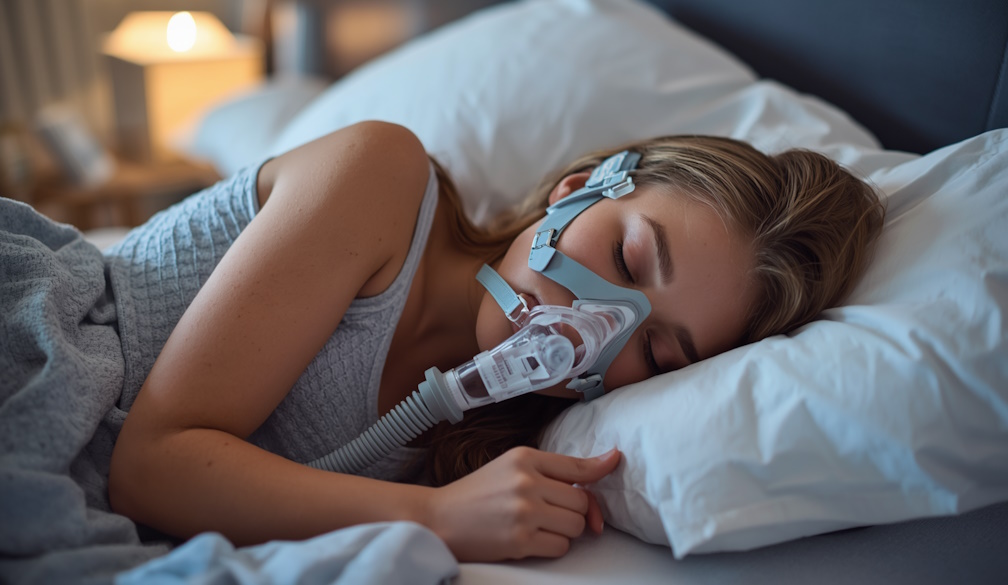
Sleep is the body’s reset button, but for individuals dealing with interrupted breathing, nights can feel restless and incomplete. This is where a sleep apnea mask becomes an essential part of treatment, helping maintain consistent airflow and ensuring uninterrupted rest. By supporting proper breathing throughout the night, it plays a key role in improving both sleep quality and overall health.
For those who prefer a more minimal design, a sleep apnea nose mask offers a comfortable alternative that focuses airflow through the nasal passages. Its lightweight structure makes it easier to wear, especially for individuals who want a less intrusive solution.
Understanding Sleep Apnea And Its Effects
Sleep apnea is a condition that causes repeated interruptions in breathing during sleep. These interruptions can lead to poor oxygen flow, resulting in fatigue, headaches, and difficulty concentrating during the day.
Over time, untreated sleep apnea can contribute to more serious health issues, including heart problems and high blood pressure. This makes early diagnosis and proper treatment essential.
Using the right mask as part of therapy helps manage these symptoms, allowing individuals to experience deeper and more restorative sleep.
How Sleep Apnea Masks Support Breathing
Sleep apnea masks are designed to deliver a steady flow of air, keeping the airway open and preventing interruptions in breathing. They are typically used with CPAP machines, which generate the airflow needed for effective therapy.
The mask forms a seal around the nose or face, ensuring that air is delivered consistently throughout the night. A proper fit is crucial, as leaks can reduce the effectiveness of the treatment.
Different mask designs cater to various preferences, allowing users to choose the option that best suits their needs.
Benefits Of Using A Nose Mask
Nose masks offer several advantages, particularly for those who value comfort and simplicity. Their compact design makes them less intrusive, allowing users to move freely during sleep.
They are also quieter than larger masks, reducing disturbances and creating a more peaceful sleeping environment. This can be especially beneficial for individuals who share a room.
Nose masks are ideal for people who primarily breathe through their nose, providing effective therapy without covering the entire face.
Choosing The Right Mask For Comfort And Effectiveness
Selecting the right mask involves considering factors such as fit, comfort, and personal preferences. A well-fitted mask ensures that air is delivered effectively without causing discomfort.
Users should also consider their sleeping habits. Side sleepers, for example, may benefit from masks that allow greater flexibility and movement.
Trying different options and consulting with professionals can help identify the most suitable mask for individual needs.
Improving Sleep Quality With Proper Use
Consistent use of a sleep apnea mask is essential for achieving the best results. Regular use helps the body adapt to the therapy, improving sleep patterns over time.
Comfort plays a significant role in maintaining consistency. Masks that fit well and feel comfortable are more likely to be used regularly, leading to better outcomes.
Establishing a routine and maintaining proper hygiene also contribute to a more effective therapy experience.
Maintenance And Hygiene Practices
Keeping the mask clean is important for both health and performance. Regular cleaning prevents the buildup of bacteria and ensures that the mask remains safe to use.
Replacing worn-out components, such as cushions and straps, helps maintain a proper fit and improves the effectiveness of the therapy.
Proper storage also extends the lifespan of the mask, ensuring long-term reliability.
The Role Of Technology In Sleep Therapy
Advancements in technology are enhancing sleep apnea treatment, making it more comfortable and efficient. Modern CPAP machines are quieter and more user-friendly, improving the overall experience.
Innovations in mask design are also addressing common issues such as air leaks and discomfort. These improvements make therapy more accessible and easier to maintain.
As technology continues to evolve, sleep therapy solutions will become even more effective and convenient.
Long-Term Benefits Of Treating Sleep Apnea
Treating sleep apnea offers significant long-term benefits. Improved sleep quality leads to better energy levels, enhanced focus, and overall well-being.
It also reduces the risk of serious health conditions, making it an important aspect of long-term health management.
By addressing the condition early and using the right equipment, individuals can enjoy a better quality of life.
Conclusion: A Step Toward Better Sleep And Health
Choosing the right sleep apnea mask or nose mask is a crucial step in managing sleep apnea effectively. With the right fit and consistent use, these devices provide the support needed for restful and uninterrupted sleep.
Investing in proper sleep therapy not only improves nights but also enhances daily life. In the pursuit of better health, the right mask becomes a key tool in achieving lasting comfort and well-being.