The government wants more of us living in high rises. Here’s why Australians don’t want to
- Written by: Emma Baker, Professor of Housing Research, University of Adelaide

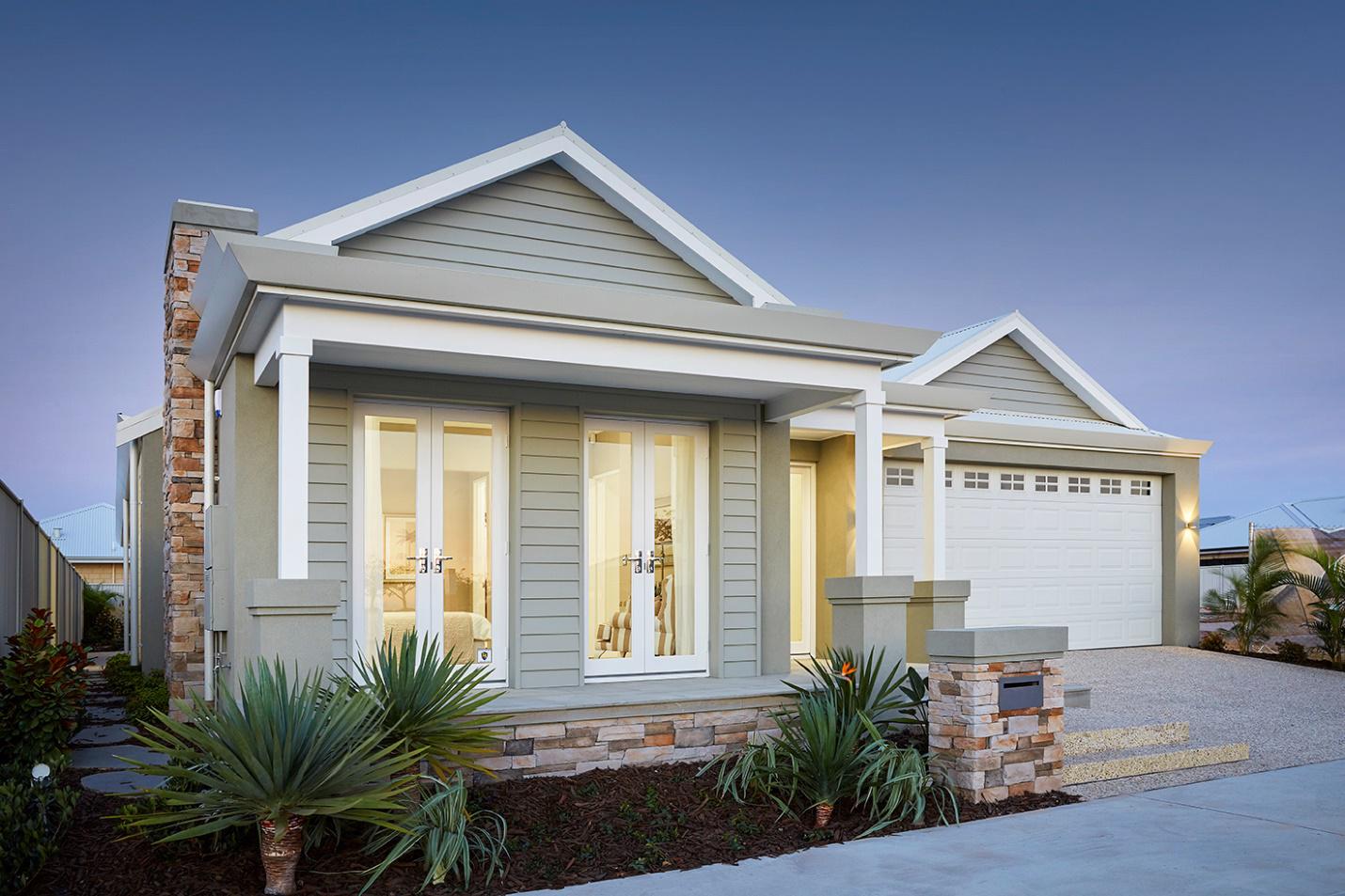
Australia was once a nation where the great Australian dream was owning a home with ample space for a lawn and a garden. But by the 1990s, the dream had shifted, at least politically, with then prime minister Paul Keating[1] famously saying there was “more to life than the quarter acre block”.
He suggested governments should plan for more diverse, denser and consolidated housing options. Our cities could be more efficient, allow people to be closer to the services they needed, and the smaller land requirements of higher density and high rise would provide people with more affordable housing options.
Over the past three decades, governments have promoted high rise in policy[2] and through the planning[3] systems. A state government plan[4] to build high-rise apartments in suburban Melbourne is a recent example.
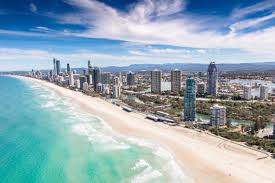
But despite decades of encouragement by governments and a growing climate imperative to make our cities compact and efficient[5], high rise living is relatively unusual in Australia. Only around 4% of Australians[6] live in high rise apartments (four storeys or more).
Here’s why that might be, and what can be done about it.
Why build high rise?
The potential benefits of high rise for cities are widely stated, both by politicians and in the academic literature.
For residents, high rise can mean better proximity to important amenities[7] such as schools, parks, or shops, and minimises work commute time and costs. It allows households to trade off dwelling size for more convenient central locations[8].
For governments, more people can to afford to live in desirable areas where the availability of land is often severely limited.
These developments are (usually) cheaper[9] per dwelling to provide infrastructure such as water and sewerage.
Who lives in high rise housing?
Many of the characteristics of high rise dwellers probably won’t surprise you.
The Australian Housing Conditions dataset[10] is derived from a series of large scale surveys that ask Australians about their current housing and future plans.
The forthcoming release includes useful insight into the perspectives of just over 20,000 households.
It shows people living in high rise are about twice as likely to be renters than homeowners. This trend is likely to continue, as Australia embraces large scale Build to Rent[11] high rise development.
Australians in the 4% who have chosen high rise are younger than homeowners, less likely to have children and more likely to have been born overseas.
People living in high rise are also more mobile, moving almost twice as often as homeowners.
Importantly though, the reasons high rise dwellers give for wanting to move tell us a lot about their experience of living in apartment towers – and how we might make it more attractive to Australians in future.
What do Australians want?
The comparatively small size of high rise apartments (mostly one or two bedrooms, compared to three or four bedrooms in traditional separate houses) means more than 60% of high rise dwellers hoped to move to increase the size of their home.
This points to a need for diversity in the high rise stock. As recent media reporting[12] points out, in many European countries, it’s common for families to raise children in high rise homes.
But the larger apartments required by families are rare in Australia, removing this option for many. Those larger apartments that do exist tend to be aimed at the luxury market, making them unaffordable for families.

Building more family-sized, affordable apartments will also help alleviate concerns about Australian cities becoming places devoid of[14] children[15].
You might think the closer proximity of neighbours in high rise buildings would result in more interactions and problems. Interestingly, the survey data show this is a relatively infrequently cited reason for wanting to move.
A recent Australian Housing and Urban Research Institute policy brief[16] suggests that for households that want a more central location and don’t need the extra space, “apartment living can be attractive and more affordable”.
Even so, affordability is a surprisingly common concern for residents living in high rise housing. This is reinforced by a descriptive analysis of recent Census data[17] from the Australian Bureau of Statistics.
It suggests a slightly higher prevalence of affordability problems (paying more than 30% of household income for rent or mortgage) in high rise apartments, compared to separate dwellings.
Indeed, a sizeable proportion in our high rise sample expected to have to move to secure cheaper housing or avoid expected rent increases.
A high rise future?
Maybe the biggest barrier to the uptake of high rise is perceived build quality.
A few years ago, some high rise build quality failures were widely publicised. The cladding crisis[18], which has affected apartment buildings across the world, is still being addressed.
Defects in developments like Opal Tower[19] and Mascot Towers[20] initiated a series of government inquiries[21], reforms[22] and eventually improvements to the National Construction Code.
Regardless of these improvements, it’s likely there’s some memory of these earlier problems, making Australians slightly more hesitant to choose high rise options.
Stories of poor practice[23] among the strata firms[24] that manage high rise blocks also act as disincentives.
So, we have a bit of work to do to sell high rise living to more than 4% of Australia’s population. The stock currently being built in Australian cities isn’t yet diverse enough to house people at all stages of the family lifecycle, and at all affordability levels.
It is a stock where renters (and investors) dominate, but one that is comparatively unappealing to prospective homeowners.
Clearly, governments have a lot of work ahead of them if Australia wants to get closer to delivering on its higher density living potential.
References
- ^ Paul Keating (trove.nla.gov.au)
- ^ policy (www.abc.net.au)
- ^ planning (www.dhud.sa.gov.au)
- ^ state government plan (www.abc.net.au)
- ^ compact and efficient (www.ipcc.ch)
- ^ 4% of Australians (www.abs.gov.au)
- ^ better proximity to important amenities (journalofsocialinclusion.com)
- ^ more convenient central locations (url.au.m.mimecastprotect.com)
- ^ cheaper (plan.sa.gov.au)
- ^ Australian Housing Conditions dataset (dataverse.ada.edu.au)
- ^ Build to Rent (www.ahuri.edu.au)
- ^ media reporting (www.theguardian.com)
- ^ Jessica West/Pexels (www.pexels.com)
- ^ devoid of (www.planning.nsw.gov.au)
- ^ children (www.productivity.nsw.gov.au)
- ^ policy brief (www.ahuri.edu.au)
- ^ data (www.abs.gov.au)
- ^ cladding crisis (theconversation.com)
- ^ Opal Tower (theconversation.com)
- ^ Mascot Towers (theconversation.com)
- ^ inquiries (www.abc.net.au)
- ^ reforms (legislation.nsw.gov.au)
- ^ poor practice (www.abc.net.au)
- ^ strata firms (theconversation.com)
Authors: Emma Baker, Professor of Housing Research, University of Adelaide