Stock Images vs Real Photos: Why Authenticity Wins Online
When it comes to building a website that actually connects with people, one of the biggest decisions you will make is whether to use stock images vs real photos of your business. It might seem like a small detail, but the imagery on your website says a great deal about who you are and whether visitors should trust you. In a world where AI-generated visuals and generic stock libraries are easier to access than ever, choosing to show your real business is quietly becoming one of the most powerful things you can do online.
The Problem with Stock Images
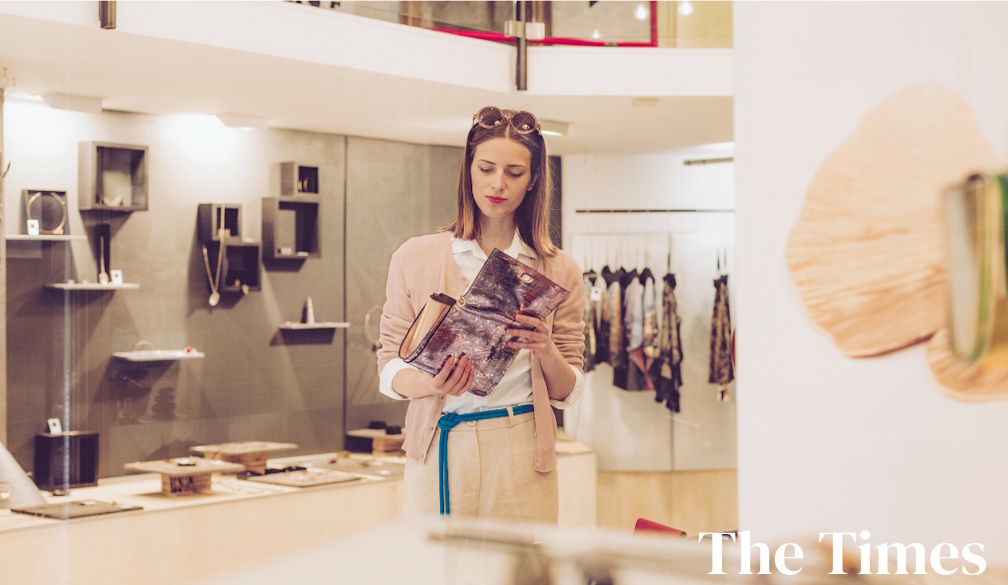
Stock photos have been a go-to solution for businesses for a long time, and it is easy to see why. They are affordable, readily available, and professionally produced. The trouble is, your competitors have access to the exact same library. That smiling woman in a headset, that generic handshake photo, that perfectly lit open-plan office with no one actually working in it - these images appear on thousands of websites across hundreds of industries. Visitors recognise them, even if they cannot quite put their finger on why something feels a little off.
The same issue now applies to AI-generated imagery. While the technology is genuinely impressive, AI visuals carry their own tell-tale signs: hands that don’t look quite right, backgrounds that do not quite make sense, and a kind of uncanny perfection that feels detached from reality. People are becoming more visually literate by the day, and they are growing increasingly good at spotting content that has been generated rather than lived.
What Real Photos Actually Communicate
When someone lands on your website and sees a genuine photo of your team, your workspace, or your product in action, something shifts. There is an immediate sense of credibility. This is a real place, run by real people, doing real work. That might sound simple, but it is remarkably effective at building the kind of trust that turns a casual visitor into an enquiry.
Professional photos of your actual business also give you something stock images can never provide: differentiation. No one else has photos of your team, your premises, or your particular way of doing things. That uniqueness is an asset, and it belongs entirely to you.
The Investment Case for Professional Photography
Some business owners hesitate at the cost of a professional photographer, especially when free stock libraries exist. But it helps to reframe what you are actually paying for. A good photographer is not just taking pictures. They are helping you communicate your values, your culture, and your professionalism in a format that works hard for you every single day on your website.
Quality photography also gives your entire digital presence a lift. The same images that go on your website can be repurposed across your social media, your email marketing, your Google Business profile, and any print materials you produce. When you spread that investment across all of those touchpoints, the cost per use becomes very reasonable.
There is also the question of longevity. A set of professional photos taken of your real business will serve you for years, because they are specific to you. A stock image trend comes and goes, and nothing dates a website faster than imagery that has clearly been lifted from a popular library in a particular era.
Being Real in a World Full of AI
We are at an interesting point in how the internet looks and feels. AI tools can now generate a website, write the copy, create the images, and have the whole thing live in a matter of hours. The result is an enormous amount of content that looks polished but feels hollow. Against that backdrop, showing your genuine face, your actual team, and your real business environment is a quiet act of courage that pays off.
Consumers are responding to this shift. Research consistently shows that people are more likely to engage with and purchase from businesses that feel transparent and human. Authenticity is not just a marketing buzzword; it is a measurable factor in how people decide who to trust with their money.
Practical Tips for Showing Your Real Business Online
If you are working with a Bundaberg website designer, for example,talk to them early about your photography needs. A good designer will plan the layout of your site around real images rather than retrofitting stock photos into a template. This makes a significant difference to how cohesive and genuine the final result feels.
Think beyond just headshots and team photos. Consider what a day in your business actually looks like. A tradie working on a job site, a cafe owner pulling espresso shots, a physio mid-consultation. These kinds of images tell a story that a posed studio shot rarely can. Show the craft, the care, and the environment your clients will actually step into.
It is also worth investing in a small library of lifestyle images that reflect your brand values. If you run a relaxed, friendly business, your photos should feel warm and approachable. If you are in a more technical or professional field, a clean, confident aesthetic will serve you better. The imagery should feel consistent with how you speak to your clients in person.
Making the Stock Images vs Real Photos Decision
There is no rule that says you can never use stock photography. In some situations, such as illustrating a concept or filling a secondary section of a page, a well-chosen stock image is perfectly acceptable. The key is that it should supplement your real imagery, not replace it. Your homepage, your about page, and any page where trust is being built should feature genuine photos of your business wherever possible.
Itag Media, a Bundaberg website designer, says any agency will tell you that the sites that perform best are the ones that feel genuine. Visitors are not just evaluating your services; they are evaluating whether they like and trust the people behind the business. Real photos give you the best possible chance of making that connection.
In a digital landscape increasingly shaped by automation and artificial imagery, choosing to show up as you actually are is both a practical business decision and a statement of intent. It says that you are confident in what you do, proud of how you do it, and willing to let people see the real thing. That kind of honesty is hard to fake, and it is exactly what modern consumers are looking for.