The long shadow of 9/11 and the retreat of an independent New Zealand foreign policy
- Written by: Weekend Times
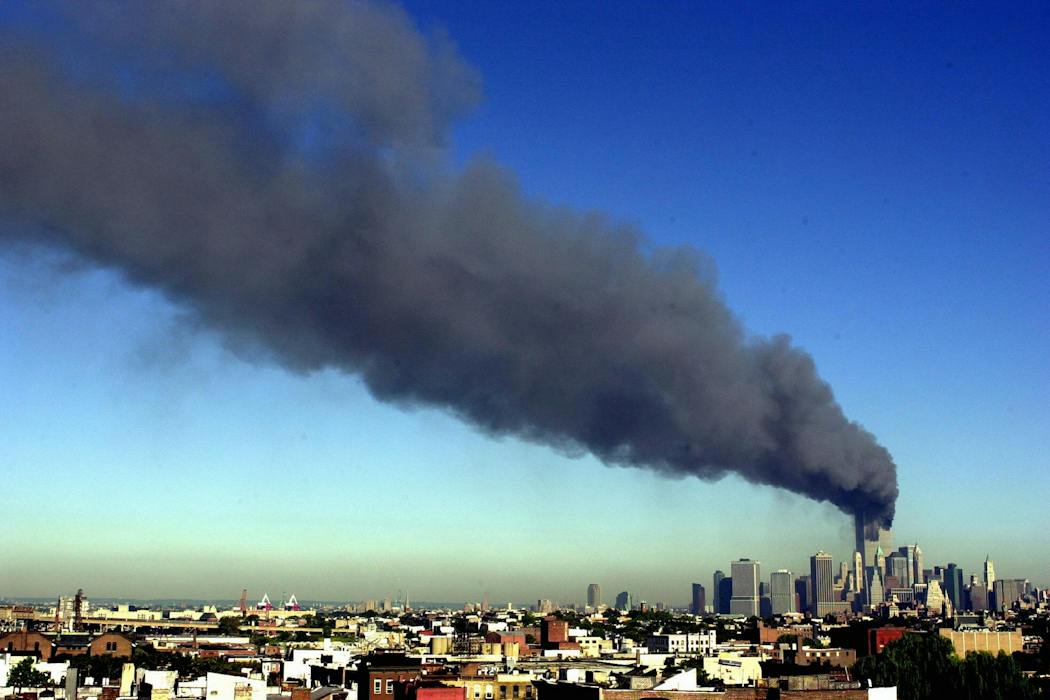
Twenty-five years ago today, the world’s strongest military state found itself powerless to prevent attacks on its homeland by al Qaeda, a small transnational terrorist group.
Now, a quarter of the way into the 21st century, it’s possible to identify the major trends that have shaped the world and New Zealand’s place in it since that terrible day.
The response by the United States to the atrocities led eventually to a quagmire in Afghanistan, an illegal invasion of Iraq, and an ill-defined “war on terror” that arguably set in motion the forces shaping today’s fraught geopolitical landscape.
The post-9/11 era has been marked by the clear erosion of an international rules-based order previously led by the US and enshrined in institutions like the United Nations.
The Iraq invasion in 2003, China’s assertiveness in the South China Sea, Russia’s annexation of Crimea and subsequent full-scale invasion of Ukraine in 2022, all point to a new era of power politics.
The US has managed to prevent a repetition of 9/11. But this should not mask the costs in terms of America’s power, autonomy and influence in the world.
Military overreach (fighting simultaneous wars in Afghanistan and Iraq), the 2008 global financial crisis, high debt levels, and the emergence of authoritarian China as a second superpower have diminished US dominance.
But the post 9/11 world has also been characterised by borderless issues too big even for superpowers to fix: climate change, pandemics, terrorism and supply chain fragility are challenges that can’t be resolved without international cooperation.
Above all, the first quarter of this century has seen an absence of global leadership. The United Nations Security Council has been reduced to the role of international bystander by the veto privileges of its permanent five members.
Shifting perceptions and policies
Initially, navigating the emerging new world order wasn’t overly problematic for a small state like New Zealand, traditionally a strong supporter of multilateralism and the rules-based system.
For 15 years after 9/11, Wellington managed to establish and maintain close ties with both the US and China.
Helen Clark’s Labour-led government of 1999 to 2008 expressed solidarity with US President George W Bush’s war on terror and deployed troops to Afghanistan. Despite opposing the Iraq invasion, her government ended the rift over New Zealand’s non-nuclear stance.
The Wellington and Washington declarations of 2010 and 2012 during John Key’s National government codified a revitalised and expanded strategic partnership between the two countries.
Meanwhile, New Zealand became the first developed nation to sign a free trade agreement with China in 2008, and signed a Comprehensive Strategic Partnership agreement with Beijing in 2014.
But perceptions began to shift significantly after 2016 because of growing concern about China’s assertiveness in the Indo-Pacific region.
Announcing New Zealand’s first comprehensive National Security Strategy, Labour defence minister Andrew Little said in 2023, “we do not live in a benign strategic environment”.
In this context, the National-led coalition elected later that year pledged closer alignment with traditional allies, in particular the US. This has culminated in a “softly softly” approach to the disruption of international relations and trade during President Donald Trump’s second term in office.
New Zealand has refused to publicly question or challenge Trump’s threats against liberal democratic allies Canada (a fellow member of the Five Eyes intelligence sharing arrangement) and Denmark.
It has also had relatively little to say about a clear disregard for international law by the Trump administration, whether it be in relation to Gaza, Iran, Ukraine or Venezuela.
Lessons from 9/11
At the same time, New Zealand has significantly strengthened its military ties with Washington by joining networks of US-led strategic groupings during the past 22 months.
Nevertheless, New Zealand’s policy of restraint has not spared it from the consequences of Trump’s trade protectionism or the economic fallout from the unilateral attacks on Iran.
So why has the National-led government persisted with an approach to an administration seemingly indifferent to the interests of allies and friends?
The answer seems to be that the current international situation is seen as so dire New Zealand has little choice. It must seek closer alignment with the US even if it comes at some cost to a distinctive foreign policy.
There are substantial grounds to be sceptical about this assessment. One of the key lessons of the post-9/11 era is that great powers cannot solve all of the world’s problems, even if they wanted to.
The alternative would be to work closely with other small and middle powers to help fill the present vacuum in global leadership.
It might ruffle feathers in Washington or Beijing, but promoting multilateral solutions to the huge environmental, trade and security challenges the world now faces would be a rational response to the legacy of 9/11.
Robert G. Patman does not work for, consult, own shares in or receive funding from any company or organisation that would benefit from this article, and has disclosed no relevant affiliations beyond their academic appointment.