why it’s important the Australian media call them for what they are
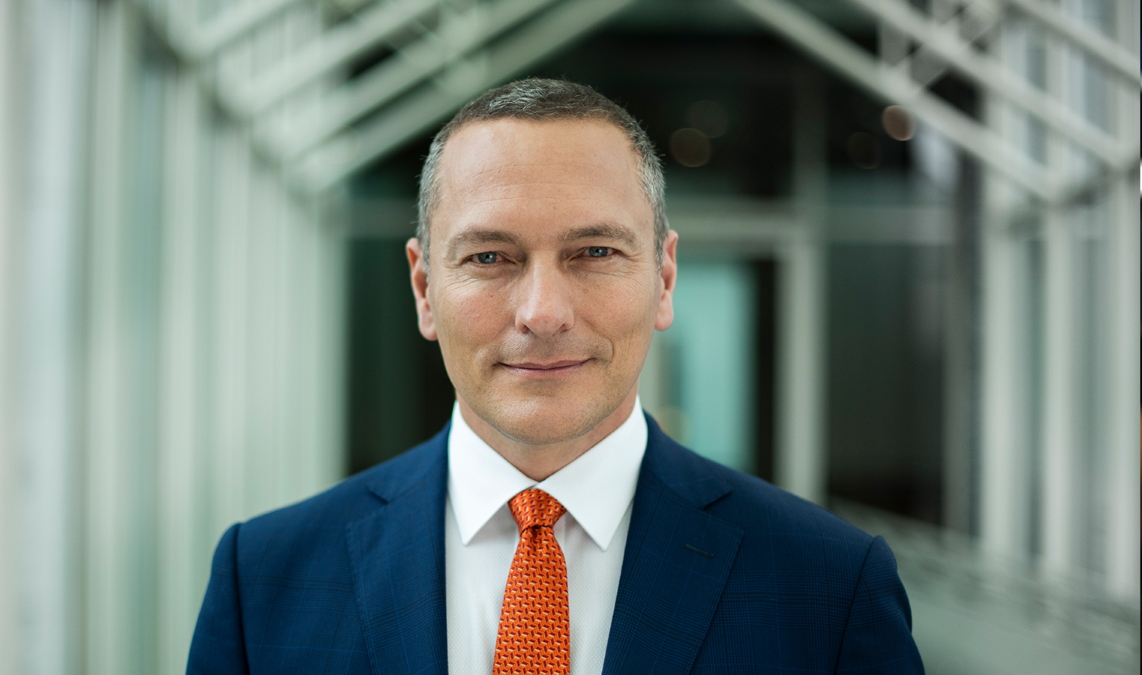
- Written by: Denis Muller, Senior Research Fellow, Centre for Advancing Journalism, The University of Melbourne
If there was any doubt about neo-Nazi leader Thomas Sewell’s racist and anti-democratic attitudes, they were dispelled on the morning of September 2 when he gatecrashed a press conference[1] by Victorian Premier Jacinta Allan and Treasurer Jaclyn Symes. In disrupting the conference, Sewell yelled that Australians did not have the right to protest and made the false claim that 50,000 protesters attended the “March for Australia” rally in Melbourne over the weekend.
The press conference was abandoned and Allan subsequently put out a statement saying she was unharmed and undeterred. She added:
But this isn’t about me. It’s about all the other people in the community who Nazis target – like multicultural people, LGBTIQA+ people, First Peoples, and Jews.
The symbolism of Sewell’s actions went well beyond the disruption of a press conference. It was an attempt to insert a neo-Nazi presence into the democratic process, and served to underline what was really behind the weekend’s events.
Media misjudgments
There were omissions and misjudgments in the media’s coverage of last weekend’s so-called anti-immigration rallies in eight Australian capital cities, leaving an unintentionally sanitised account of what occurred.
The main misjudgment was to persist in using the organisers’ description of the rallies as “March for Australia” and “anti-immigration” after it had become obvious the emotional dynamo behind them was racism.
It is true that they were in part anti-immigration, and it was clear from the coverage that some, perhaps most, people joined in because they were genuinely opposed to immigration for reasons not connected with race, but to do with issues such as housing.
But the fact is that the leadership of the Melbourne rally was provided by the National Socialist Network, a neo-Nazi organisation, and it became clear as events unfolded, especially in Melbourne and Sydney, that the terms “anti-immigration” and “March for Australia” were merely a smokescreen.
It became even clearer when a phalanx of neo-Nazis attacked an Indigenous protest site called Camp Sovereignty in Kings Domain, Melbourne. That had nothing to do with immigration: it was all about racism.
It also became clear when the main speaker at the Melbourne rally was Sewell. As The Age and Sydney Morning Herald’s Michael Bachelard reported[2]:
[…] to the extent there was any sign of organisation among the grab-bag of grievances ranging over the streets of Melbourne’s CBD, it was the National Socialist Network that provided it.
It was a similar story in Sydney, where Joel Davis, a leader in the National Socialist Network who has openly praised Adolf Hitler, addressed the rally[3] there.
However, by adopting the ambiguous title “March for Australia” and claiming a focus on immigration, the organisers masked the racist impulse driving them. Racism is a defining characteristic of Nazism. The neo-Nazis took a leading role. It follows that these were primarily racist rallies.
There were sound reasons for the media to suspect their true nature, reasons grounded in good reporting prior to the event.
On August 29, the Sydney Morning Herald published a story seeking to establish who was behind them. A Facebook group had popped up on August 9, but when the Herald asked who was behind it, a spokesperson who would not be identified said there was no “overall organiser” but “a number of people” providing logistical and social media support.
Evasive, yes, but the racist nature of the enterprise was clear.
The Herald also reported that “Bec Freedom”, the online pseudonym for a woman who claimed to have lodged the protest application form with NSW Police, was heard on[4] a livestream on August 11 instructing march promoters to use messaging about protecting Australian heritage, which she said meant “white heritage”.
That is racist by definition. The organisers, whose unwillingness to be identified should have added to the suspicion, disclaimed connections with the National Socialist Network. So they now have to explain how it was that the neo-Nazis took over the Melbourne rally and provided principal speakers both there and in Sydney.
Moreover, the organisers drew on the rhetoric[5] of the “great replacement theory” in a flyer that singled out Indian immigrants, claiming that the reason for increased Indian migration to Australia is “replacement, plain and simple”.
This theory asserts[6] that some Western elites are conspiring to replace white Americans and Europeans with people of non-European descent, particularly Asians and Africans.
It was invoked by the Australian white-supremacist terrorist Brenton Harrison Tarrant, who massacred 51 Muslims at prayer in Christchurch in 2019, and by Anders Breivik[7], who massacred 69 young people in Norway in 2011.
The failure to draw attention to this connection was another omission in the coverage of the weekend’s violence.
And a third was the failure to point out the contrast between the scale and orderliness of the huge pro-Palestine marches of August 3 2025, which attracted largely peaceful crowds estimated at 100,000 in Sydney and 25,000 in Melbourne, compared with the disorder generated by crowds estimated 15,000 in Sydney and 9,000, including 3,000 counter-protesters, in Melbourne last weekend.
Calling the rallies for what they are
Having said that, the focus of last weekend’s news coverage was rightly on what happened on the streets, and in that respect the coverage was comprehensive and, so far as it was possible to tell, accurate and impartial. The language used was proportional to the events and properly focused on the violence, which was a clear and present danger to public safety.
However, the way the media name things matters, and in this respect there was enough evidence to call the rallies for what they were, rather than what the evasive and shadowy organisers said they were.
References
- ^ gatecrashed a press conference (www.theage.com.au)
- ^ Michael Bachelard reported (www.smh.com.au)
- ^ addressed the rally (www.news.com.au)
- ^ was heard on (www.smh.com.au)
- ^ drew on the rhetoric (www.sbs.com.au)
- ^ asserts (theconversation.com)
- ^ Anders Breivik (www.latimes.com)
Authors: Denis Muller, Senior Research Fellow, Centre for Advancing Journalism, The University of Melbourne