Mental health targets aren’t enough – unless NZ backs them up with more detail and funding
- Written by: Dougal Sutherland, Clinical Psychologist, Te Herenga Waka — Victoria University of Wellington
On the face of it, the government’s recently announced targets[1] for improving mental health care are laudable. But without more detail about how those targets will be achieved – and funded – New Zealand’s struggling mental health sector is still running on hope.
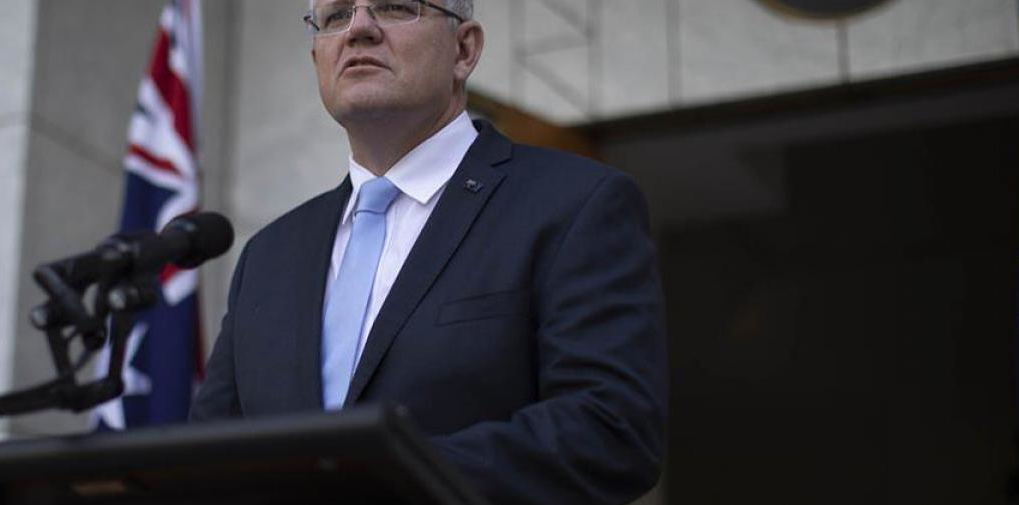
The new targets announced by Mental Health Minister Matt Doocey include 80% of people accessing specialist services being seen within three weeks and 95% of people seen for mental heath needs at an emergency department being seen and discharged or transferred within six hours.
The government has also promised to train 500 professionals each year and to allocate 25% of funding to prevention and early intervention.
This year’s budget set aside NZ$2.6 billion for mental health and addiction services[2], an increase of about $200 million on the 2023 budget.
From within this year’s budget funding, the government committed $24 million[3] over four years Mike King’s I Am Hope Foundation and $10 million[4] for its Mental Health and Addiction Community Sector Innovation Fund.
While additional funding is always welcome, it is unlikely this boost will be sufficient to meet all of the stated targets. Precisely how much would be needed is unclear. Despite a number of high quality reviews[5], there is a lack of data on the total costs required to have a mental health system that meets the needs of New Zealanders.
How past targets hit follow-up care
This is not the first time a National-led government has announced targets for the sector.
The 80% target for access to specialist services has strong echoes of previous targets set by the John Key-led government[6] in 2012. This included 80% of youth accessing specialist services to be seen within three weeks and 95% seen within eight weeks.
This policy meant resources were diverted to meeting this target – at the expense of follow-up appointments.
While many district health boards met the 80% target for a first appointment, wait-times for subsequent appointments[7] often ballooned to many months.
A 2018 report[8] into New Zealand’s mental health and addiction services found 17% of complaints to the health and disability commissioner’s office related to inadequate or inappropriate follow-up care.
Targets can be helpful in motivating and focusing efforts. But to be truly effective, they need to include the whole system, not just the front door.
Pressure on emergency departments
The goal of 95% of mental health clients being seen and moved on from an emergency department appears to be a restating of an already existing broader target[10] that has existed for all patients since 2009. Unfortunately, emergency departments across the country have been unable to meet this target[11] consistently.
Appropriately staffing mental health services is a key underlying factor in helping the government reach their new targets. To this end, the new goal is to train 500 mental health professionals per year, an increase of 17% on current numbers of 428 a year.
However, to date there are no details on which professional groups within the sector are to be trained. The shortage of psychologists and psychiatrists[12] within New Zealand is widely acknowledged.
These professional groups play a significant role in the provision of specialist services within the public system and therefore understanding from the government on how many, if any, of these will be trained is crucial.
Failure to increase numbers of psychiatrists and psychologists will severely limit the effectiveness of specialist services and could effectively nullify any benefit gained from faster access.
Credit where credit is due
At the same time as the above targets were announced, more details were provided on the government’s $10 million innovation fund.
This fund would match, dollar-for-dollar, proposals from community providers that would increase services from outside the public sector, thereby taking pressure off Health New Zealand.
Provision of this funding recognises that many non-governmental organisations and community organisations are doing good work both in local communities and at a national level, but are often unable to access public funding for services despite having workforce capacity.
The government deserves credit for its commitment and intention to support the mental health need needs of New Zealanders, including its creation of the new ministerial position[13].
But without clear detail on how the sector is going to achieve these new targets, New Zealanders are going to have to wait and see whether change is really coming.
References
- ^ government’s recently announced targets (www.beehive.govt.nz)
- ^ NZ$2.6 billion for mental health and addiction services (www.beehive.govt.nz)
- ^ $24 million (www.beehive.govt.nz)
- ^ $10 million (www.beehive.govt.nz)
- ^ high quality reviews (www.mentalhealth.inquiry.govt.nz)
- ^ targets set by the John Key-led government (www.beehive.govt.nz)
- ^ wait-times for subsequent appointments (www.stuff.co.nz)
- ^ 2018 report (www.hdc.org.nz)
- ^ Hagen Hopkins/Getty Images (www.gettyimages.com.au)
- ^ existing broader target (www.nzherald.co.nz)
- ^ unable to meet this target (www.ncbi.nlm.nih.gov)
- ^ shortage of psychologists and psychiatrists (www.rnz.co.nz)
- ^ creation of the new ministerial position (www.mhwc.govt.nz)
Authors: Dougal Sutherland, Clinical Psychologist, Te Herenga Waka — Victoria University of Wellington