


3 things we need to get right ahead of extreme bushfire risk this summer
- Written by: Weekend Times
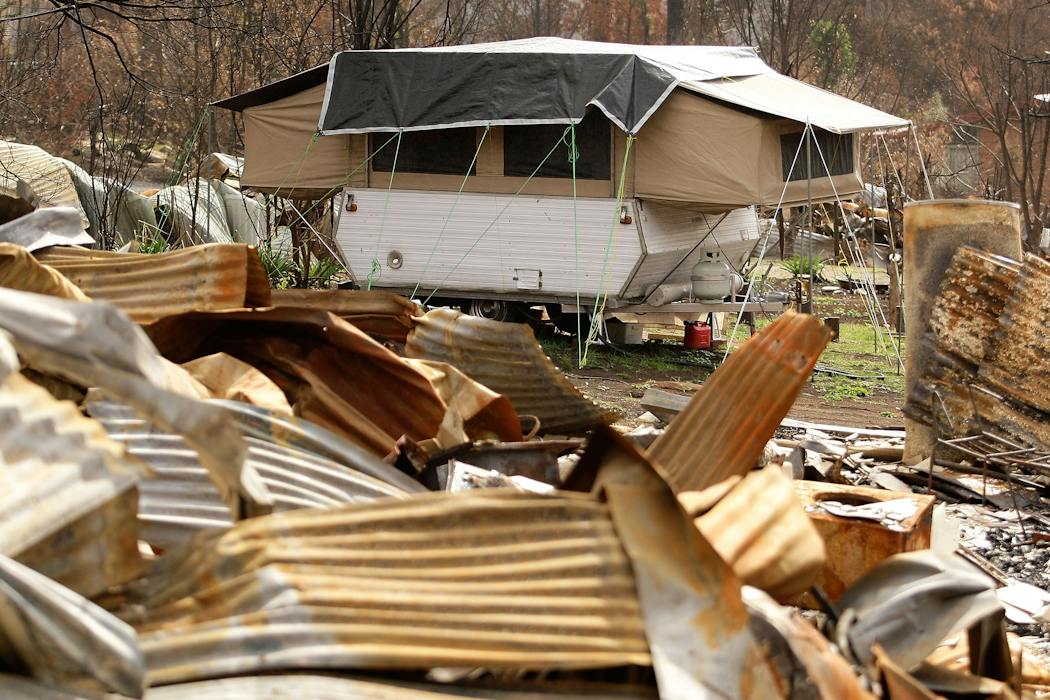
This summer, Australia could face some of its most extreme bushfire conditions ever, due to the severity of an ever-strengthening El Niño. And for many Australians, memories of catastrophic natural
disasters are still painfully fresh.
The Black Summer bushfires of 2019–20 caused destruction on a scale that had never been seen in Australia, with more than 3,000 homes destroyed. And the 2022 major floods devastated hundreds of communities across multiple states, becoming the costliest insurance event in Australian history.
While much of our disaster management approach rightly puts an emphasis on prevention, in reality that’s only part of the picture. Both these disasters left thousands displaced and in urgent need of housing as they faced the difficult task of rebuilding their homes and lives.
Our research examined their aftermath – what worked best in meeting people’s immediate housing needs and supporting longer-term housing recovery. Three key lessons emerged, calling on us to rethink our current approach now, ahead of the next disaster.
The problem with temporary villages
Our first finding is that large-scale, expensive temporary housing villages with associated infrastructure should be avoided. Despite the name, such temporary housing is rarely quick to deliver and is anything but temporary.
It can take months to procure, prepare sites for and build, and just pushes the problems to later.
Such villages were not a key feature of the Black Summer recovery. Individual housing pods were instead delivered to bushfire victims’ own properties. But temporary villages did make a costly appearance after the 2022 floods, with the construction of 11 temporary villages.
Announcing high-quality temporary housing sounds good politically after a disaster because it appears decision makers are “doing something”. But when media interest has waned, people are also left in limbo about what comes next.
What happens to people once the short time frame for their use expires? What happens to the temporary housing when councils want the land back on which it was built?
Support for alternative options
If temporary housing villages are out, what should happen immediately after people lose their homes?
The reality is that many go to live with families and friends elsewhere, while those who can afford it may move into temporary accommodation.
For those who can’t, we need to ensure safe, well-equipped temporary accommodation sites are identified in advance and ready for use immediately after a disaster.
One option is to repurpose existing caravan and holiday parks. There is also a case for relatively low-cost pods or retrofitted sheds being used, particularly where they can use existing infrastructure and allow people to remain on their own land while rebuilding.
Prioritising community needs
While these are measures for meeting immediate basic needs, what can be put in place for helping people recover in the long term?
Although recovery is a large and complex subject, the second clear lesson from our research is the importance of prioritising community-centred recovery. Providing coordinated support from assisting organisations is one part of this.
The NSW Reconstruction Authority’s Recovery Centres, for example, seek to bring services together so people do not have to navigate multiple organisations independently.
Another is recognising the central role of local community organisations and ensuring they have the support and resources to assist. Local councils are also often expected to shoulder a significant recovery workload, but with limited resources.
State and federal governments need to support this more seriously and ensure local government has the capacity, funding and authority it needs to play its role effectively.
Different communities have different needs
The third lesson from our research is that communities are also anything but homogeneous. The proportion of renters to homeowners is one such divide.
Affected homeowners with insurance policies need speedy insurance support. The cost of insurance is, however, skyrocketing – or for some, becoming unavailable – and government needs to work with insurers to address this increasing problem.
Many others rent their properties, adding landlords to the complexity of recovery. Cash assistance is one way to give renters some ability to exercise agency in recovery (as it does for homeowners also). Global evidence of providing cash grants after disaster as helpful, efficient and effective is overwhelming.
All this can sound relatively straightforward on paper. The reality, of course, is that a disaster has occurred, and recovery takes time. Add trauma, family breakdown and loss to the equation.
Housing recovery needs to recognise these realities. Support should be flexible, sustained and responsive rather than dictated through top-down solutions without proper and realistic consultation, as all too often happens.
An opportunity to prepare now
Held every year on October 13, the United Nations’ International Day for Disaster Risk Reduction aims to raise disaster risk awareness, reduction and preparedness. This year’s theme focuses on resilience in the home.
In Australia, with the frequency and scale of disaster set to increase, this calls on us to take recovery planning as seriously as we take preparing for the immediate emergency.
If we want to “build back better”, “better” means learning from the previous disaster, taking preparedness seriously and putting affected communities at the centre of all decisions.
The research discussed in this article was supported by funding from Australian Housing and Urban Research Institute (AHURI).