With a tragedy averted, the Flydubai incident has put cockpit security under new scrutiny
- Written by: Weekend Times
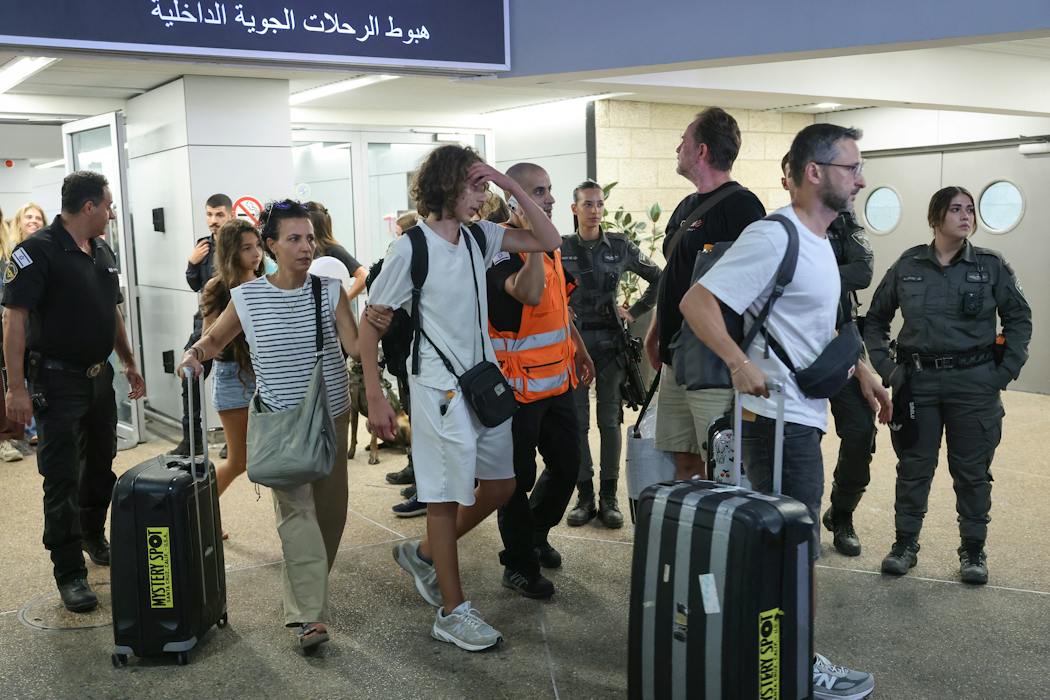
Just after 7am on September 30 (local time), Flydubai flight FZ1073 left Dubai International Airport, bound for Tel Aviv, Israel. About 170 passengers were on board, the
majority of whom were reportedly Israeli nationals.
More than two hours into the flight, the plane suddenly plunged more than 4,000 metres in about a minute. A few minutes later, it broadcast a general emergency “squawk” code, followed shortly afterwards by another code indicating “unlawful interference” or hijacking.
Details are now emerging of what is alleged to be an extraordinary incident in the cockpit. According to Israeli Prime Minister Benjamin Netanyahu and some passenger accounts, one of the plane’s pilots stabbed the other, and then attempted to crash the aircraft.
It was reportedly only through the actions of the injured pilot and intervention of some passengers on the plane – including a reserve Flydubai flight crew – that the aircraft was stabilised and a tragedy averted. The plane made an emergency landing at Tabuk, Saudi Arabia.
Israel’s defence minister, Israel Katz, has since described it as an “attempted jihadist terror attack”. But there is still lots we don’t know. Flydubai itself has confirmed an “altercation”, but urged people not to speculate. A thorough investigation is already underway.
For the aviation industry, it has raised some uncomfortable questions. Are the security screening measures currently in place for commercial pilots sufficient? How can we protect passengers if a threat comes from within the flight crew they’re supposed to trust?
Plunging more than 4,000 metres in one minute
For passengers on board, the plane’s rapid descent would have been terrifying. If you’ve ever been in turbulence, and you’ve felt an aircraft drop, you’ll be familiar with that sense of weightlessness and the butterflies in your stomach that can accompany it.
A drop of more than 4,000 metres over a minute is extreme – one passenger describing the experience as “complete chaos”.
Such rapid descents can happen in aviation, but are usually reserved for an emergency situation where the cabin loses pressure. In this scenario, the plane’s emergency oxygen masks are supposed to drop for passengers.
Early reports from passengers suggest in this case, the plane’s emergency oxygen masks did not deploy, which may have added to fear and confusion.
Why didn’t the plane crash?
Recovering from a plunge this steep is difficult, even for an experienced pilot. In this configuration, rapid control changes can risk excessive loads on parts of the aircraft leading to structural damage.
In this case, the plane’s rudder reportedly sustained significant damage, which will be investigated.
How are pilots screened?
The incident has put cockpit security under renewed scrutiny. Following the 9/11 terrorist attacks in 2001, airline security measures escalated dramatically around the globe.
But a large part of this response was aimed at ensuring access to the cockpit is limited. What does it look like when the threat is inside the cockpit to begin with – from someone we are supposed to trust?
There are a range of measures in place to screen people who want to become pilots. All commercial pilots will go through a medical certification, regardless of where they’re from or which country they’re getting licensed in.
As part of this, there is mental health screening in some capacity around the world. But different jurisdictions have different rules.
Security screening is another matter. In Australia, for example, all pilots will go through a background check in order to get their aviation identification card.
But the resources available to conduct a background check vary from country to country, and background checks may be limited to identifying evidence of criminal history.
If that does not exist, there may be nothing to draw from to determine that someone could be a security threat or a security risk.
What are the crew trained to do in a situation like this?
This incident does not represent the first time a commercial pilot has gone rogue and become a threat. In 2015, the co-pilot on Germanwings Flight 4U 9525 deliberately crashed the plane in the French Alps, killing all on board.
But aviation security measures remain relatively poorly designed for this specific scenario, compared to external threat or hijacking.
While training for crew does occur at the level of individual airlines based on international guidelines, this typically does not focus on pilots themselves as a potential threat. There is no broad regulatory requirement to address this specific issue of pilot threats as part of training.
For pilots themselves, a lot of training focuses on how to successfully collaborate.

What can the aviation industry learn?
The aviation industry must now grapple with difficult questions. We will have to be very careful about reactively implementing new protocols, because these may cause more harm than help if poorly thought through.
However, one potential change we could see is a stricter selection and screening process of pilots before they are hired by companies. We may need to question our assumptions about what is possible and what we presume by default.
Considering the possibility of the pilot as a security threat will also help ensure the industry develops with resilience. As the industry embraces new operations, such as single-pilot flights, remote pilot operations and pilotless aircraft, the most comprehensive risk assessment will help ensure the safest development.
The authors do not work for, consult, own shares in or receive funding from any company or organisation that would benefit from this article, and have disclosed no relevant affiliations beyond their academic appointment.