Why Childcare Cleaning Is Essential For Safe And Hygienic Early Learning Environments
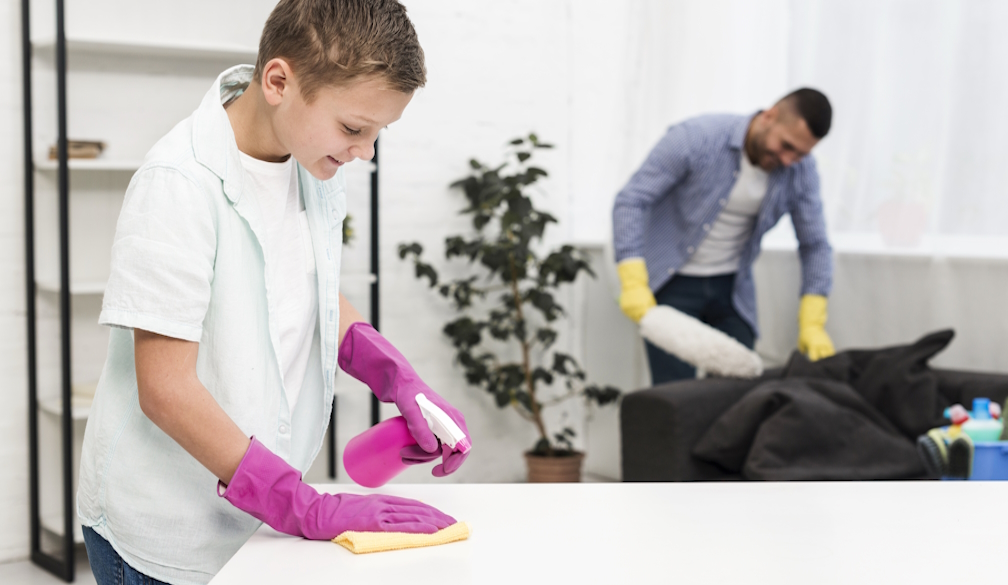
Maintaining strict hygiene standards in early learning settings is essential due to the vulnerability of young children, which is why childcare cleaning plays a critical role in ensuring safe and healthy environments. Childcare centres are high-contact spaces where children interact closely with each other, staff, and shared resources, increasing the risk of germ transmission if proper cleaning practices are not followed.
Unlike other environments, childcare facilities require specialised cleaning approaches that consider both hygiene and safety. Ensuring that spaces are clean, sanitised, and well-maintained helps protect children’s health and supports their development.
Understanding The Unique Requirements Of Childcare Environments
Childcare centres differ from other facilities due to the age group they serve. Young children are more susceptible to infections and are more likely to come into contact with surfaces, toys, and shared items. This makes hygiene a top priority.
Cleaning in childcare environments must be thorough and consistent, focusing on both visible cleanliness and the removal of harmful microorganisms. This ensures that children can learn and play in a safe setting. By implementing specialised sanitisation for play mats and sensory equipment, centres can effectively break the chain of infection. A meticulous approach to high-traffic zones supports healthy development and provides parents with essential peace of mind regarding their child’s wellbeing.
Key Areas That Require Frequent Cleaning
Childcare facilities include a variety of areas that require regular attention. Play areas, classrooms, restrooms, and eating spaces are all high-use zones that must be cleaned consistently. Toys and learning materials also require frequent sanitisation due to constant handling.
High-touch surfaces such as door handles, tables, and storage units must be cleaned regularly to prevent the spread of germs. Each area has specific cleaning needs that must be addressed to maintain overall hygiene.
Supporting Health And Wellbeing Of Children
Clean environments are essential for protecting the health of children. Regular cleaning helps reduce the presence of bacteria, viruses, and allergens, creating a safer space for learning and play.
Healthy environments contribute to better attendance and overall wellbeing, as children are less likely to fall ill. This supports consistent participation in educational activities and promotes development.
Ensuring Compliance With Health Regulations
Childcare centres are required to meet strict health and safety regulations to ensure the wellbeing of children and staff. Proper cleaning practices are essential for meeting these standards.
Regular inspections and adherence to cleaning protocols help ensure compliance with regulations. This reduces the risk of health issues and ensures that facilities operate safely.
The Role Of Professional Cleaning Services
Professional cleaning services provide expertise in maintaining childcare environments. They understand the specific requirements of these facilities and use appropriate methods and materials to ensure effective cleaning.
Outsourcing cleaning tasks allows staff to focus on caring for children while ensuring that hygiene standards are maintained. This approach supports both efficiency and quality.
Using Safe And Suitable Cleaning Methods
Cleaning methods used in childcare environments must be safe for children. This includes using non-toxic cleaning products and ensuring that surfaces are properly sanitised without leaving harmful residues.
Safe cleaning practices ensure that children are not exposed to harmful chemicals while maintaining high hygiene standards. This balance is essential for creating a safe environment.
Maintaining Cleanliness Throughout The Day
Childcare cleaning is not limited to end-of-day routines. Maintaining cleanliness throughout the day is equally important, as children continuously interact with their surroundings.
Regular cleaning and sanitising of high-touch areas help prevent the buildup of germs. This proactive approach ensures that the environment remains safe at all times.
The Importance Of Staff Awareness And Training
Staff awareness plays a significant role in maintaining cleanliness in childcare centres. Training ensures that staff understand proper cleaning practices and hygiene standards.
By following established protocols, staff can contribute to maintaining a clean and safe environment. This collaborative approach enhances overall effectiveness.
Conclusion
Childcare cleaning is essential for maintaining safe, hygienic, and supportive environments for young children. By implementing consistent cleaning practices, using safe methods, and ensuring compliance with regulations, childcare centres can protect health and promote wellbeing. With proper planning and professional support, these environments can remain clean, secure, and conducive to learning and development.