How and why NZ could be drawn into the Iran war – and the high stakes involved
- Written by: Alexander Gillespie, Professor of Law, University of Waikato
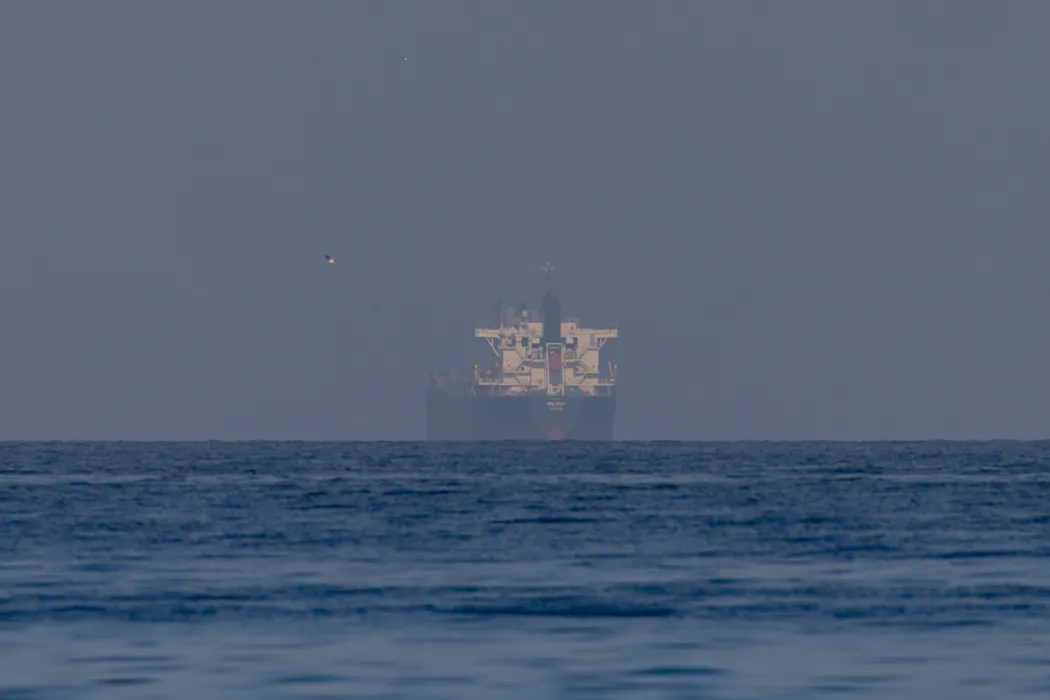
After three weeks of war in the Middle East, it is increasingly hard to predict what might happen next. But the prospect of a prolonged conflict has obvious and serious implications for New Zealand.
Beyond the impact of energy supply disruption and the economic consequences, there is the question of New Zealand military assistance to protect vital oil and gas shipments in the Strait of Hormuz.
On March 19, New Zealand joined a group of 19 countries[1] (including the United Kingdom, Canada and Australia) condemning Iran’s attacks on unarmed commercial vessels and declaring their “readiness to contribute to appropriate efforts to ensure safe passage through the Strait”.
The statement came after the United Nations Security Council issued Resolution 2817[2] on March 11 condemning the attacks by Iran against neighbouring Gulf states.
The Security Council also took note of the rights of member states, in accordance with international law (including the law of the sea), to defend their vessels from attack and actions that undermine navigational rights and freedoms.
Freedom of navigation – particularly around vital maritime routes[3] such as the Strait of Hormuz – is one of the oldest and most recognised legal principles. Indeed, it was partly why the United States was pulled into the first world war[4].
On March 22, NATO Secretary-General Mark Rutte said[5] a group of 22 countries, including New Zealand, were “coming together” to secure the Strait of Hormuz. While there has been no formal commitment[6] from the government, nor has there been any statement against becoming involved.
Legal responses to an illegal war
By framing Iran’s actions as “a serious threat to international peace and security”, the Security Council effectively legitimised potential limited intervention by those 19 member states – which had so far resisted[7] US President Donald Trump’s unilateral attempts to draw them into his war.
In early 2024, New Zealand joined many of those countries to help protect shipping in the Red Sea[8] from attacks by Iran-backed Houthis in Yemen, part of their campaign against Israel’s devastation of Gaza[9].
The Houthis have now said[10] any expansion of the Iran conflict “will have negative consequences for supply chains, energy prices and the global economy as a whole”.
The sheer complexity, illegality and dangerous unpredictability of the entire situation means any practical commitment by New Zealand to assist will be a decision with serious domestic political implications in an election year.
It may be correct to defend a fundamental principle[11] of international law supported by the UN Security Council. But there is only a paper wall separating that decision from a war against Iran that didn’t comply with the UN Charter[12] in the first place.
The US and Israel have claimed their attack was an act of self-defence against Iran’s nuclear ambitions, which would be permitted under international law.
But it’s highly questionable whether the criteria for a justification of preemptive self defence was met. Only the International Court of Justice can definitively answer that.
The court is currently deliberating on the lawfulness of the Russian invasion of Ukraine, a case New Zealand strongly supports[13]. To be consistent, and if the opportunity arises, the government should apply the same standard and process to the US and Israel over Iran.
Lessons from history
Unfortunately, the legality of the justification for war is now being obscured by the illegal means by which it is being fought. An illegal attack has been met with illegal retaliation against regional noncombatants.
Iran is openly violating international humanitarian law[14] and the UN Convention on the Law of the Sea[15]. It has attacked dual-use civilian and military facilities (such as power plants) more for political and economic advantage than military gain.
And while international law protects civilians from attack or reprisal, it has had little effect in practice. Russia targets civilian areas and infrastructure in Ukraine, and Trump has threatened[16] to “obliterate” Iranian energy facilities (now postponed[17] after an original 48-hour deadline).
Both sides have carried out strikes[18] against or near nuclear facilities. The potential for this to become a humanitarian, environmental and economic disaster is clear.
New Zealand has little influence, however, beyond reminding all the belligerents – not just Iran – of their obligation to adhere to international humanitarian law.
But it must also be mindful of the lessons of recent history. Protecting the Strait of Hormuz may ultimately require “boots on the ground” to secure the coastline, not just the waterway.
As escalations from Vietnam to Iraq and Afghanistan have shown, such interventions can last decades, not weeks.
References
- ^ group of 19 countries (www.gov.uk)
- ^ Resolution 2817 (docs.un.org)
- ^ vital maritime routes (www.un.org)
- ^ pulled into the first world war (history.state.gov)
- ^ Mark Rutte said (wjla.com)
- ^ no formal commitment (www.rnz.co.nz)
- ^ so far resisted (www.theguardian.com)
- ^ protect shipping in the Red Sea (www.beehive.govt.nz)
- ^ campaign against Israel’s devastation of Gaza (www.cfr.org)
- ^ Houthis have now said (www.middleeastmonitor.com)
- ^ defend a fundamental principle (www.beehive.govt.nz)
- ^ didn’t comply with the UN Charter (theconversation.com)
- ^ New Zealand strongly supports (www.beehive.govt.nz)
- ^ violating international humanitarian law (ihl-databases.icrc.org)
- ^ UN Convention on the Law of the Sea (www.itlos.org)
- ^ Trump has threatened (www.npr.org)
- ^ postponed (www.npr.org)
- ^ carried out strikes (www.icanw.org)
Authors: Alexander Gillespie, Professor of Law, University of Waikato