How gambling companies are copying the Big Tobacco playbook in Australian sport
- Written by: Carolyn Holbrook, Associate Professor in History, Deakin University
In June 2023, Labor MP Peta Murphy presented a report[1] to the Albanese government recommending a ban on gambling advertising due to the grave social and financial harms caused by gambling ads online, on TV and at sporting venues.
So far the Albanese government has refused to act on the Murphy report.
This is despite the public emphatically agreeing with the recommendations: recent research[2] confirms earlier findings[3] that about 75% of Australians support a total ban on gambling advertising, and 80% support their ban on social media, online, in stadiums and on players’ uniforms.
Gambling companies are putting up a fight, saying their sponsorship of sport enables grassroots competitions for kids. But this same argument was put forward by Big Tobacco when governments tried to curb tobacco advertisement from the late 1960s.
However once those bans came into effect, Australian sports raised revenue from other sources that allowed grassroots competitions to thrive.
The gambling epidemic
Australians’ addiction to the punt is world leading.
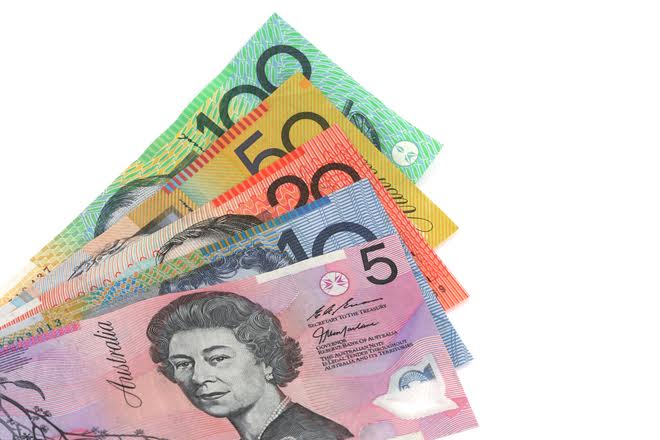
We gamble away more than $30 billion annually[4] – the highest per capita amount[5] in the world.
This appetite for gambling continues to increase[6], despite a cost-of-living crisis.
Gambling addiction[7] is linked to severe psychological distress, increased family violence, crime and suicidal ideation, and these effects may be under-reported[8].
Read more: Australia's gambling harm is likely underreported – and authorities are still failing to act[9]
The links between sport and gambling
A reason often cited for government inaction on gambling advertising is the claim made[10] by sporting organisations and the gambling industry that a ban on gambling advertising would stop the flow of money from sporting codes to grassroots sport[11].
Gambling companies have extensive and lucrative links to many major sporting codes in Australia, including the National Rugby League (NRL), Australian Football League (AFL), Rugby Australia and Cricket Australia.
Sporting codes benefit greatly from sponsorship and advertising[12]. They also profit hugely from product fees[13] paid by betting companies.
We’ve been here before
The claim that a ban on gambling advertising will affect community sport is a clever one. It plays to Australians’ love of sport and the fear of depriving kids of the opportunity to run around with their friends.
It also comes straight from the Big Tobacco playbook.
Six decades ago, Australian TV and radio stations were awash in cigarette advertising. By the late 1960s, a cigarette commercial ran at nearly every ad break[14].
These ads appealed to young people by portraying smoking as sophisticated and glamorous.
A TV advertisement for Winfield Red cigarettes, featuring legendary actor Paul Hogan.By 1964, it was scientifically proven that smoking caused lung cancer. Yet, our yet-to-be-published research reveals[15] the amount of money spent on advertising by tobacco corporations increased during the 1960s by more than 2,000%.
Although the public grew increasingly concerned about the effect of tobacco advertising on young people, tobacco and media corporations had developed close links with government. They used these to stymie any moves towards a ban.
Media companies decried the effect advertising bans would have on their viability.
In 1966, tobacco companies agreed to a voluntary code to refrain from screening ads in the afternoon and evening, when kids were most likely to be watching TV.
Unsurprisingly, the code was ineffective. Not only did tobacco companies routinely flout their own rules[16] but many children were watching television well into the evening, when cigarette ads aired with impunity.
In 1973, the Whitlam government faced down the tobacco and media industries, introducing a phased ban on tobacco advertising on television and radio. Compensation for media for lost advertising revenue was included in a package of measures, along with support to find other advertising streams.
Tobacco company fightback
When the ban on cigarette advertising came into full force in 1976, the tobacco companies moved their hefty marketing budgets into sports sponsorship.
By the late 1970s, tobacco companies sponsored a raft of prominent sports including Australian rules football, rugby league, golf, tennis and motor racing. They also won endorsements from famous sporting personalities.
As money poured into sporting codes from Big Tobacco, those companies argued their contributions were vital to the health of grassroots sport in Australia.
Of course, their sponsorships also kept cigarette advertising highly visible to the public[17].
By the early 1980s, the tobacco companies were spending a combined A$13 million on sports annually ($58 million today), which accounted for 25% of all sports sponsorship revenue.
The fight to remove tobacco sponsorship from sport took 20 years of sustained advocacy by organisations such as the state cancer councils, the Australian Cancer Society, and the Australian Council on Smoking and Health.
By 1989, there was sufficient political support at a national level for the Hawke government to pass an act that banned most remaining tobacco advertising[18].
Sporting codes continued to resist. As a result of their lobbying, the law exempted[19] cinema, billboard and sports sponsorship advertising, as well as permitting “accidental or incidental” advertising on television when cameras showed tobacco sponsorship.
These exemptions meant tobacco advertising remained highly visible.
A pivotal moment came in 1992
It took the passage of the Tobacco Advertising Prohibition (TAP) Act 1992 to ban virtually all remaining tobacco advertising related to sport. This included incidental and accidental advertising and sports sponsorship.
Tobacco control advocates argued it was eminently possible for sporting codes to find alternative revenue streams. Quit Victoria famously sponsored the Fitzroy Football Club (now the Brisbane Lions) and the Bells Beach surf competition.
The act was phased in over three years. All sports sponsorship was banned by mid-1996[20], when tobacco sponsorship of cricket finally ended.
The phased introduction of the law gave sporting codes time to find alternative advertising revenue streams.
Contrary to their Henny Penny-like claims, sporting codes did not suffer significant financial challenges due to the ban.
Tobacco control advocates were also vindicated as Australian smoking rates plunged from about 27% in 1992 to around 10% today[21].
Profits over people
The arguments from gambling companies, and their apologists in politics and sport, about the calamitous effects of an advertising ban, must be seen for what they are.
Like the efforts of the tobacco companies that came before them, claims about grassroots sport are a cynical attempt to protect an arrangement from which they profit handsomely.
Despite their protestations of impending doom, media companies and sporting codes survived tobacco advertising and sponsorship bans. They would survive a gambling ban too.
The polling data and research on tobacco advertising from the 1960s and 70s reported in this article are from a forthcoming publication in the Journal of the History of Medicine and Allied Sciences by Holbrook, Westmore, and Kehoe.
References
- ^ a report (www.aph.gov.au)
- ^ recent research (australiainstitute.org.au)
- ^ earlier findings (www.abc.net.au)
- ^ $30 billion annually (www.theguardian.com)
- ^ highest per capita amount (www.abc.net.au)
- ^ continues to increase (www.theguardian.com)
- ^ Gambling addiction (www.thelancet.com)
- ^ under-reported (theconversation.com)
- ^ Australia's gambling harm is likely underreported – and authorities are still failing to act (theconversation.com)
- ^ the claim made (www.theage.com.au)
- ^ grassroots sport (www.theguardian.com)
- ^ from sponsorship and advertising (footyindustry.com)
- ^ product fees (www.theage.com.au)
- ^ nearly every ad break (trove.nla.gov.au)
- ^ yet-to-be-published research reveals (www.tobaccoinduceddiseases.org)
- ^ flout their own rules (trove.nla.gov.au)
- ^ highly visible to the public (www.tobaccoinaustralia.org.au)
- ^ banned most remaining tobacco advertising (www.tobaccoinaustralia.org.au)
- ^ law exempted (www.tobaccoinaustralia.org.au)
- ^ by mid-1996 (www.tobaccoinaustralia.org.au)
- ^ about 27% in 1992 to around 10% today (www.tobaccoinaustralia.org.au)
Authors: Carolyn Holbrook, Associate Professor in History, Deakin University