

What can sport fans do if their team, or league, is being sportswashed?
- Written by: Paul Bowell, Lecturer of Sport Managmnet and Sociology, Swinburne University of Technology
As sport and politics are ever more intertwined in 2024, so too are the number of nations and organisations turning to “sportswashing”.
Sportswashing[1] uses sport to improve the reputation of an authoritarian regime, nation-state or organisation, or distract from negative actions such as poor human rights records.
It is a form of soft power[2], aimed at enhancing cultural influence, forming alliances, and building positive relationships through sport.
Prominent historical examples of sportswashing include the 1934 and 1978 FIFA World Cups in Italy and Argentina[3] and the 1936 Berlin Olympics[4].
These events tried to advance the political ideologies of these countries’ authoritarian leaders while masking their human rights violations.
Read more: Sportswashing is just about everywhere – but it may be backfiring on the countries that do it[5]
How widespread is it globally?
The breadth and frequency of sportswashing have increased in the 21st century.
Recent examples include the Winter Olympics in 2014 (Sochi)[6] and 2022 (Beijing)[7] and the 2018 Russia and 2022 Qatar FIFA World Cups[8].
All events tried to distract from the host country’s poor human rights records and lack of political and legal transparency, and boost their global reputation.
However, a new trend has emerged: sportswashing in professional domestic markets.
This includes the Qatar sovereign wealth fund’s ownership of French soccer team Paris Saint-Germain (PSG), Abu Dhabi’s ruling family’s ownership of English Premier League (EPL) club Manchester City, and Saudi Arabia’s Crown Prince’s ownership of EPL club Newcastle United.
Saudi Arabia has heavily invested in sport to boost its soft power[9] – significant investments have been made in domestic and English football leagues and a bidding process to host the 2034 FIFA World Cup[10].
Saudi Arabia has also invested in golf with the LIV Golf International Series, hosting Formula One races, professional wrestling events and high-profile boxing and tennis matches.
The Saudi-backed LIV Golf series has been accused of sportswashing by human rights campaigners.Through this emerging trend, sportswashing is impacting fans more and more on a daily basis, moving these issues from a global to local level.
What about in Australia?
Sportswashing is also having an impact in Australia.
Melbourne City, an A-League team, is owned by the City Football Group[11], which is the Abu Dhabi-based consortium that owns Manchester City.
A further trend of sportswashing is private organisations aligning themselves with sport to achieve soft power.
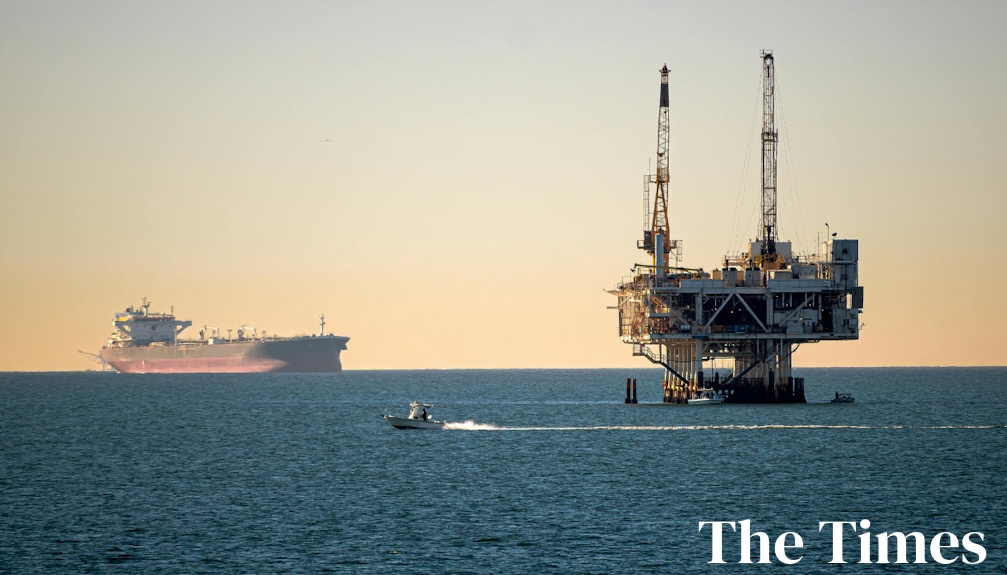
Examples include mining and energy companies such as Alinta Energy[12], BHP, Rio Tinto, Woodside and Origin’s sponsorship agreements[13] in various Australian sports to improve their public image and divert attention from environmental impacts.
This domestic reach of sportswashing presents fans and supporters with challenging ethical and moral decisions – what can they do about it?
What can the sporting community do about sportswashing?
There are several ways fans can deal with their favourite teams being linked to sportswashing, ranging from apathy to disruption.
Being complicit
Fans may overlook negative aspects, such as human rights issues linked to team ownership, to maintain their bond with their team.
For example, many Manchester City fans have not protested ownership but have instead legitimised it[14]. They have defended the owners’ actions as sound business decisions and dismissed criticisms as media witch hunts or jealousy from rival clubs.
The fans’ support is bolstered by the club’s on and off-field success and financial growth, which they attribute to the owners’ savvy management. This support is expressed through both rational justifications and emotional loyalty to the club.
However, not all fans are conforming.
Other fans experience cognitive dissonance[15], separating their support for the team from the club’s ownership. This allows for them to resist and protest the sportswashing actions of their owners while still supporting their team on the field.
These actions can begin with awareness raising.
Raising awareness
Newcastle United fans against sportswashing[16] is a supporter group that aims to raise awareness about the human rights violations committed by the Saudi regime and how its ownership of Newcastle United is part of a larger effort to normalise and distract from these issues.
The group used banners and public statements to highlight their Saudi owner’s attempts at sportswashing during the international friendly match between Saudi Arabia and Costa Rica[17], held in Newcastle in 2023.
These efforts received international media attention and demonstrated how raising awareness of sportswashing can lead to more substantial actions.
Resistance and protests
Fans recognise that sportswashing aims to enhance the reputation of a country or organisation, and they have employed creative protest methods to counteract this.
In France, frustrated Olympique Lyonnais football fans sought to embarrass China for its growing influence on the league. They displayed a giant Tibetan flag with the words “Free Tibet”[18] during a game scheduled specifically for Chinese television.
Meanwhile, fans of German football team Bayern Munich[19] vocally opposed the club’s sponsorship deals and training camps in Qatar, highlighting the country’s poor human rights record, particularly regarding migrant workers.
This opposition led to the club ending the agreement.
Once fans bring attention to sportswashing, they can motivate athletes to speak out against it too.
Athletes speaking out
Formula One driver Lewis Hamilton wore a rainbow flag[20] on his helmet during the 2021 Qatar Grand Prix to criticise the country’s harsh LGBTQ+ stance.
In Australia, Test cricket captain Pat Cummins refused to participate in any marketing with sponsorship partner Alinta Energy due to environmental concerns[21]
Read more: Is FIFA's sponsorship deal with a Saudi-owned oil giant really 'a middle finger' to women’s soccer?[22]
Shortly after Cummins announced his intentions to boycott the sponsor, the agreement between Alinta Energy and Cricket Australia ended.
Sporting organisations then must accept that partnering with companies or regimes whose social values don’t align with the broader community can impact their business negatively.
Fans put in a difficult position
Sportswashing has evolved from a global show of soft power at international events to impacting local sports and their community.
Responses vary from ambivalence to active protest.
However, should supporters be put in this moral position in the first place?
Fans generate much more meaning out of sport[23] and the support of their clubs than other leisure activities.
Therefore, governments, sports organisations, leagues, and teams should carefully consider the broader impact of partnering with entities involved in sportswashing in the future.
References
- ^ Sportswashing (www.humanrights.unsw.edu.au)
- ^ soft power (journals.sagepub.com)
- ^ 1934 and 1978 FIFA World Cups in Italy and Argentina (sites.manchester.ac.uk)
- ^ 1936 Berlin Olympics (library.olympics.com)
- ^ Sportswashing is just about everywhere – but it may be backfiring on the countries that do it (theconversation.com)
- ^ 2014 (Sochi) (apnews.com)
- ^ 2022 (Beijing) (theconversation.com)
- ^ 2018 Russia and 2022 Qatar FIFA World Cups (www.irishtimes.com)
- ^ Saudi Arabia has heavily invested in sport to boost its soft power (www.bloomberg.com)
- ^ host the 2034 FIFA World Cup (saudi2034bid.com)
- ^ City Football Group (www.cityfootballgroup.com)
- ^ such as Alinta Energy (theconversation.com)
- ^ BHP, Rio Tinto, Woodside and Origin’s sponsorship agreements (theconversation.com)
- ^ but have instead legitimised it (journals.sagepub.com)
- ^ cognitive dissonance (www.psychologytoday.com)
- ^ Newcastle United fans against sportswashing (www.nufcfansagainstsportswashing.org.uk)
- ^ Saudi Arabia and Costa Rica (www.theguardian.com)
- ^ giant Tibetan flag with the words “Free Tibet” (www.insideworldfootball.com)
- ^ fans of German football team Bayern Munich (www.corpwatch.org)
- ^ wore a rainbow flag (www.theguardian.com)
- ^ environmental concerns (www.theguardian.com)
- ^ Is FIFA's sponsorship deal with a Saudi-owned oil giant really 'a middle finger' to women’s soccer? (theconversation.com)
- ^ Fans generate much more meaning out of sport (www.sportsfansbook.com)
Authors: Paul Bowell, Lecturer of Sport Managmnet and Sociology, Swinburne University of Technology