Affordable Office Space in Sydney CBD
- Written by: News Company
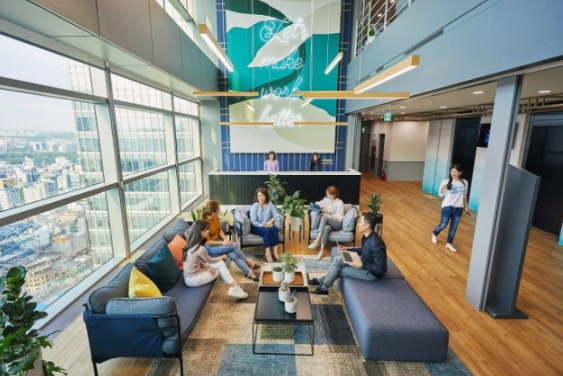
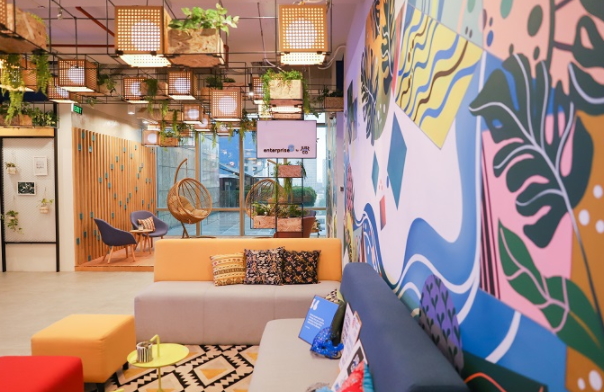
Many small businesses have low revenues since they do not have many customers and resources. The success of a business depends to some extent on the business owners network, the people and businesses who are aware of the products or services. Having a business address in a prime business area like the central business district (cbd) in sydney can help the business since it creates the right impression on potential clients and also helps in networking with other businesses in the area. However, the office rental rates in sydney cbd are very high, which many small business owners cannot afford. One of the best ways a business can hire office space at affordable rates is by using the co-working office space located in the cbd area of Sydney offered by companies like Justco.
There are many businesses where the business owner and staff is outdoors for many days of the month meeting the clients or vendors. For some businesses like plumbers, architects, interior designers, the work is usually done at the client site while writers and others can work from home. In these cases, the client can opt for a basic plan where they can use the desk for only one day in a month and use it as a business address for correspondence. There are other plans available for the client at a higher monthly rental, where the client can use the desk for an unlimited number of days or get a dedicated desk only allocated for them.
Clients with a higher budget can opt for a dedicated studio office with unlimited access for the month. The desks are open from 8.30 am to 6 pm on all weekdays. All the business desks are well designed and ergonomic so that the user does not experience discomfort despite working for many hours daily. The desks have storage space, where the user can store their items. For basic and unlimited desks, the personal items should be taken away at the end of the day, while for dedicated desks or studios, the user can lock the desk/studio and keep their personal items.
Each of the co-working facilities have a well trained dedicated team for maintenance of the serviced office space. The facilities are cleaned regularly using the high quality cleaning equipment. The office security regulates the entry of people in the area and ensures that the belongings of the client remain secure. Each office space has a pantry area with a cafe, where people can have their meals or order coffee, tea or other beverages. The office has mail handling facilities so that all members who use the address, can be assured that they will receive all the mail.
Additionally the office space has a private phone booth and meeting room which business owners can hire based on their requirement. The member will only have to pay for the duration for which the facility is hired. Free high speed internet access is available, and members can get their documents printed on request. For entertainment and networking Justco is organizing a number of events for members where they can interact with each other and expand their business network.