We’re all feeling the collective grief and trauma of violence against women – but this is the progress we have made so far
- Written by: Anastasia Powell, Professor, Family and Sexual Violence, RMIT University
It has been a particularly distressing start to the year. There is little that can ease the current grief of individuals, families and communities who have needlessly lost a loved one to men’s violence in recent weeks.
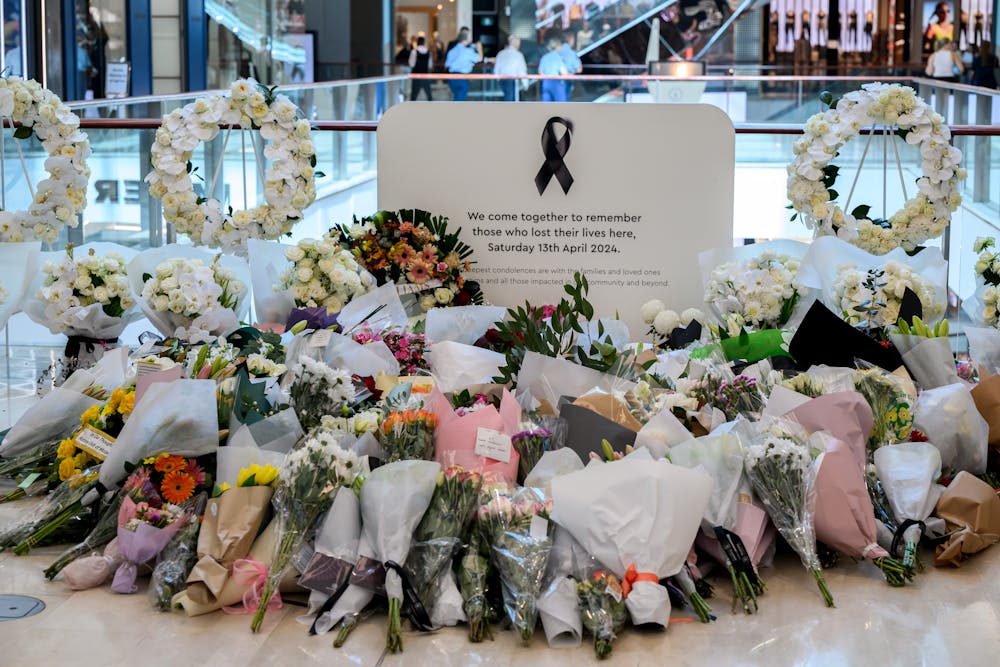
A spate of cases involving women dying, allegedly at the hands of men, in the Ballarat[1] region. The shocking case[2] of Molly Ticehurst, allegedly murdered by her ex-boyfriend in central west New South Wales. The fact so many of the victims of the violence at Bondi Junction were women.
It is clear there is a collective grief across our nation. The headlines express our shared hurt and disbelief that women continue to lose their lives to men’s violence against them. This weekend, a National Rally Against Violence[3] will urge governments to take more assertive action to end gender-based violence in our communities.
So what’s being done – and are we making any progress?
Read more: How 'closing the gap' may close doors for First Nations women in new plan to end violence[5]
What is being done?
At this time, it is appropriate we seek to ease our individual and collective grief.
It is a time for expressing our respect for the women who have lost their lives, and for renewing our commitments that we will not stand by and do nothing while women continue to be harmed.
We have not been standing in silence.
Australians have been – and will continue – taking action to end gender-based violence.
Every Australian government has committed to policy action to address violence against women. The second National Plan to End Violence Against Women and Children (2022 to 2032)[6], is building on the progress made over the past ten years.
This plan emphasises prevention and early intervention, as well as improving support for victim-survivors and justice responses. There is also a focus on recovery and healing.
For the first time, there is a specific Aboriginal and Torres Strait Islander Action Plan to address violence against women and children in First Nations communities.
The Commonwealth government has also committed to centring Aboriginal women’s leadership in the development of a standalone National Plan for First Nations women[7].
Across our communities, workplaces are implementing new policies and programs to prevent sexual harassment and to promote equity and respect at work.
The media, too, are reporting with greater sensitivity and respect for victim-survivors of violence.
Universities are embarking on a program of policy, services and cultural change to address sexual violence and harassment.
More and more schools are delivering on respectful relationships education with children and young people.
From sports clubs to faith communities, to licensed venues and public spaces, there is a heightened awareness of family and sexual violence, and the role we all have to play in responding to and preventing it.
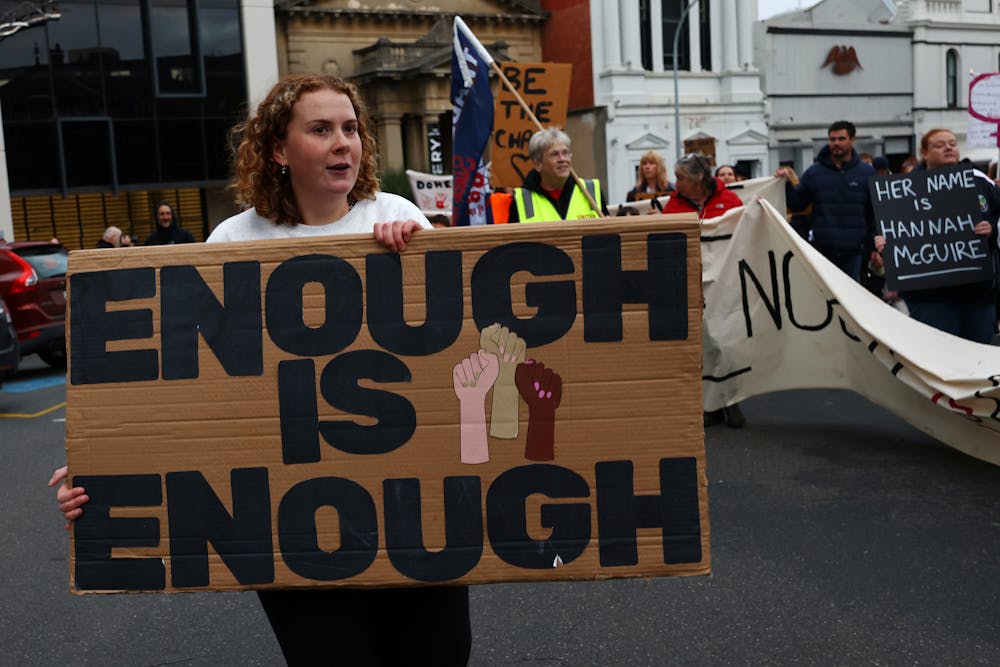 Australians have been – and will continue – taking action.
AAP Image/Con Chronis[8]
Australians have been – and will continue – taking action.
AAP Image/Con Chronis[8]
Is it working?
Our national data is telling us that these shared efforts are starting to show impact in our communities. Of course, zero preventable deaths should be our goal.
But the data from the Australian Institute of Criminology’s National Homicide Monitoring Program[9] does show a continuing decline in rates of intimate partner homicide, in particular.
The Australian Bureau of Statistics’ Personal Safety Survey[10], the most accurate measure of self-reported experiences of all forms of personal violence in Australia, also shows some promising trends. It shows the 12-month rate of family violence may have reduced in some states, while remaining the same in others.
Read more: 49 women have been killed in Australia so far in 2023 as a result of violence. Are we actually making any progress?[11]
What more needs to be done?
There is so much policy and program work that Australia has committed to – but much is still in its infancy of implementation.
Police and justice systems in several states have been reviewing policies and practices that have too often failed to protect women’s lives.
Accountability of men who choose to use violence is critical – but there is also a need for more work with men who want to change their behaviour, and for early intervention programs to prevent men’s violence from escalating.
We also urgently need funding for recovery and healing services for victim-survivors.
It is unacceptable that many of those experiencing lasting trauma and other impacts of family and sexual violence face a lack of affordable, accessible, trauma-informed support beyond a situation of dangerous crisis.
It has been less than ten years since we have had a national framework[12] to guide evidence-based strategies to prevent the violence before it occurs. Addressing the underlying drivers of gender-based violence goes hand-in-hand with our response efforts, if we want to see lasting change.
Impact on survivors
The recent headlines on gender-based violence have also undoubtedly affected remaining victim-survivors.
For some, hearing about these recent cases may add to existing trauma. It can prompt an unnerving sense of unsafety; a feeling of endless risk that too often women are left to navigate largely on their own.
Others may feel the time is right to disclose their own experience of violence to a friend or family member, or contact a helpline like 1800 RESPECT[13].
If you find yourself responding to a disclosure[14] of violence, remember your initial response can have a lasting impact.
Now, more than ever, she will need to be listened to without blame or judgement. She will need to be believed, and she may need some support to connect with specialist support services.
Many men too, will no doubt be reflecting on what needs to be done to end this violence. There is a particularly important role for non-violent men to play in speaking out[15] against gender-based violence and helping break these patterns.
We must not lose heart, but rather accelerate the progress we have begun to make.
We must continue to take action if we are to fulfil our shared commitment to an Australia where women – and indeed, all of us – live free from all forms of violence.
If this article has raised issues for you, or if you’re concerned about someone you know, call 1800RESPECT on 1800 737 732. In immediate danger, call 000.
References
- ^ Ballarat (www.abc.net.au)
- ^ case (www.abc.net.au)
- ^ National Rally Against Violence (www.whatwereyouwearingaus.org)
- ^ AAP Image/Bianca De Marchi (photos.aap.com.au)
- ^ How 'closing the gap' may close doors for First Nations women in new plan to end violence (theconversation.com)
- ^ National Plan to End Violence Against Women and Children (2022 to 2032) (www.dss.gov.au)
- ^ National Plan for First Nations women (nit.com.au)
- ^ AAP Image/Con Chronis (photos.aap.com.au)
- ^ National Homicide Monitoring Program (www.aic.gov.au)
- ^ Personal Safety Survey (www.abs.gov.au)
- ^ 49 women have been killed in Australia so far in 2023 as a result of violence. Are we actually making any progress? (theconversation.com)
- ^ national framework (www.ourwatch.org.au)
- ^ 1800 RESPECT (www.1800respect.org.au)
- ^ responding to a disclosure (safeandequal.org.au)
- ^ speaking out (lens.monash.edu)
Authors: Anastasia Powell, Professor, Family and Sexual Violence, RMIT University