Weekend Times


Google Workspace

Business News

Home insurance bills are soaring as climate risks grow. The government should step in

  • Written by Paula Jarzabkowski, Professor in Strategic Management, The University of Queensland
Home insurance bills are soaring as climate risks grow. The government should step in

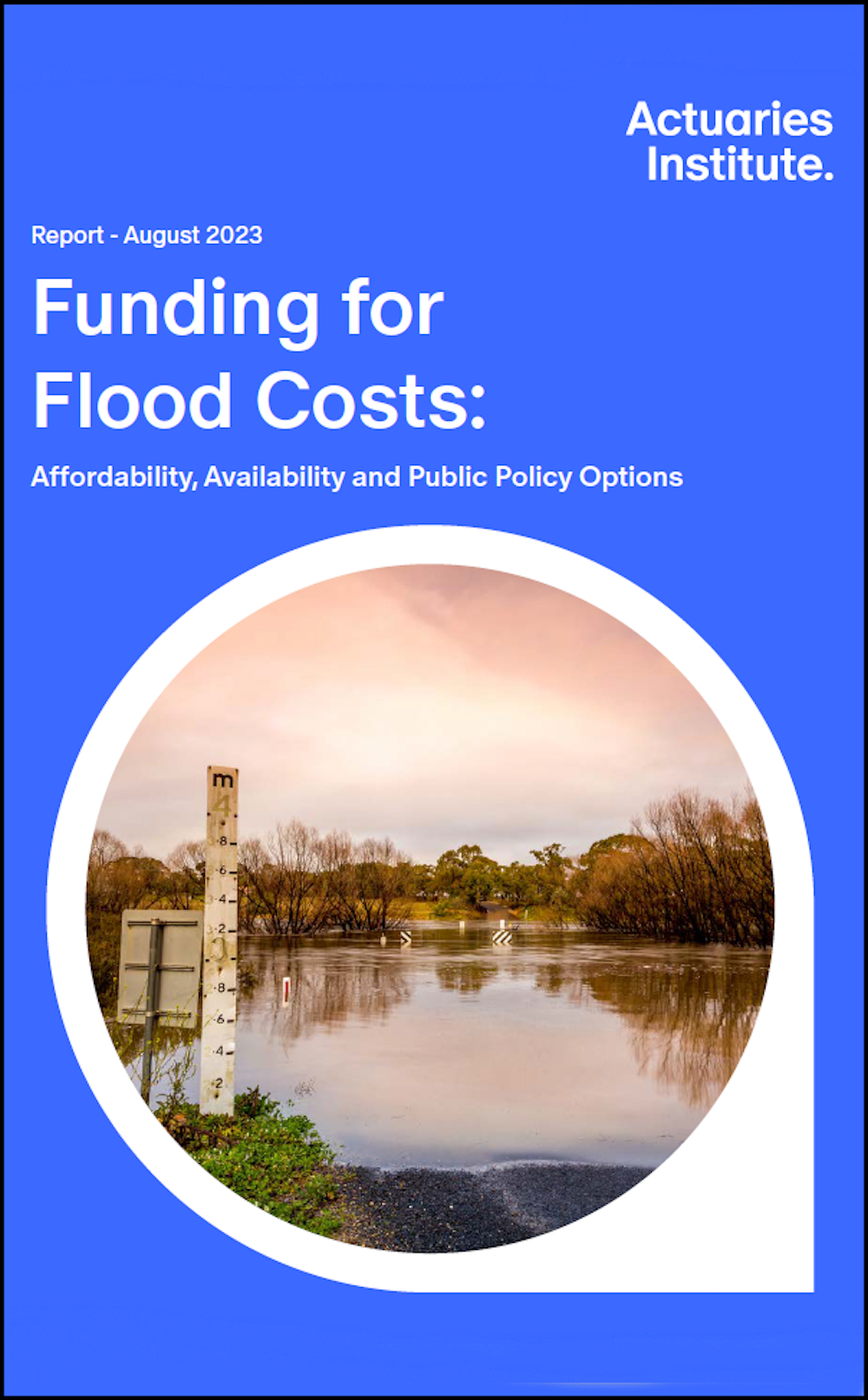
The Actuaries Institute of Austalia[1] has just confirmed what many Australian households already know – home insurance is increasingly unaffordable.

It found average premiums climbed 28% in the year to March, while premiums for higher-risk properties, such as those in flood-prone areas, climbed 50%.

The institute also found 12% of Australian households – 1.24 million – are experiencing extreme home insurance affordability stress, defined as paying more than four weeks of gross household income on premiums.

Twelve months ago, this figure was 10%, or 1 million households.

Actuaries Institute of Australia[2] While in the past affordability had been recognised as a problem affecting vulnerable Australians, it has got to the point where it is hitting households across the socio-economic spectrum. And not only in Australia. Insurers are increasing premiums in locations at high risk of climate-related damage throughout the world and even withdrawing home insurance completely in places such as California and Florida. The high premiums are spreading to households in lower-risk locations through a complex interconnected system of rising private reinsurance[3] charges (insurance for insurers), more frequent and worse weather events, and increasing rebuilding costs. The case for a government-owned reinsurance pool The Actuaries Institute put forward risk pooling[4] as an emergency solution. It would work through a government-owned and run “reinsurance pool”, providing nationwide coverage for claims relating to extreme weather events. Private insurers would pass on their risk to the state-owned pool, which would use the pooled premiums to ensure every insurer was covered. In the past, the insurance industry has been overwhelmingly opposed to the idea, viewing it as interfering in a traditionally private market. As recently as March 2022, as Queensland and NSW reeled in the aftermath of catastrophic flooding and its implications for insurance[5], the Insurance Council of Australia responded to calls to extend the newly created cyclone reinsurance pool[6] by saying the private sector did things better[7]. The industry’s concerns are not totally unfounded. Setting up a risk pool without taking steps to mitigate the underlying risk would simply mask, or even exacerbate, the problem. It could facilitate insurance and rebuilding in high-risk areas that will suffer repeated losses. Risk pools have to include mechanisms that tie insurability to long-term risk reduction through mitigation, updated planning and building regulations, and disaster-resilient rebuilding programs, informed by nationwide data collection. Read more: Victims of NSW and Queensland floods have lodged 60,000 claims, but too many are underinsured. Here's a better way[8] Governments are stepping in elsewhere Extreme weather risk pools work in advanced economies around the world. Some, such as the United States’ National Flood Insurance Program[9], mask risk while allowing rebuilding in disaster-prone areas. But others, such as those in Spain[10], France[11] and Switzerland[12], integrate risk pooling with risk reduction. Australia would need to draw on the experience of the countries that do it well, doing everything we can to reduce underlying risk, including by changing where and how we build, and relocating people from disaster-prone areas. Read more: After the floods comes underinsurance: we need a better plan[13] If we don’t do something along the lines of government-provided and mandated reinsurance, insurance and its enormous benefits will no longer be available to an increasing share of Australians, regardless of their financial means. The inclusion[14] of the idea in the Actuaries Institute report might be an indication that opposition is softening. The future of home insurance could depend on it. References^ Actuaries Institute of Austalia (www.actuaries.asn.au)^ Actuaries Institute of Australia (www.actuaries.asn.au)^ reinsurance (www.ft.com)^ risk pooling (www.actuaries.asn.au)^ implications for insurance (www.afr.com)^ cyclone reinsurance pool (treasury.gov.au)^ did things better (www.insurancenews.com.au)^ Victims of NSW and Queensland floods have lodged 60,000 claims, but too many are underinsured. Here's a better way (theconversation.com)^ National Flood Insurance Program (cup.columbia.edu)^ Spain (fdslive.oup.com)^ France (www.ccr.fr)^ Switzerland (www.vkg.ch)^ After the floods comes underinsurance: we need a better plan (theconversation.com)^ inclusion (www.actuaries.asn.au)Authors: Paula Jarzabkowski, Professor in Strategic Management, The University of Queensland

Read more https://theconversation.com/home-insurance-bills-are-soaring-as-climate-risks-grow-the-government-should-step-in-211515

The Weekend Times Magazine

How to Care for Your Dental Veneers: Tips from Experts

Dental veneers are a popular cosmetic dentistry solution that enhances smiles by covering imperfections such as discoloration, chips, or gaps. Among the different types available, porcelain veneers stand out for...

The 29-year-old Australian Revolutionising The Edible Collagen Market

Known as ‘Nature’s Botox’, scientific research shows collagen is not only anti-ageing and good for skin, but also optimises health, ligaments, muscle recovery, the gut, and helps heal the digestive...

What is Medicines Optimisation and Why is it Important?

Medicines optimisation is a patient-focused approach to safe and effective medication use that helps people get the best possible outcomes from their treatments. Rather than simply ensuring patients take their...

Why Car Sharing is dominating Car Renting

Sustainability, budget, urban living, lack of parking – these are just a few of the reasons that many people are choosing not to buy cars in today’s environment. ...

Out of 500 Nominations, My Guardian Breaks into Top 3 at Australia’s Prestigious 2025 ACE Awards

Sydney, 22 July 2025 – From humble beginnings to national recognition, My Guardian is celebrating a milestone achievement - being selected as one of the top three finalists in the...

How pool putty can be a lifesaver when it comes to pool repairs

Pool putty is a great way to repair your pool. It works well for all types of repairs, especially when you need to patch up a hole in the liner...

House Builders in Melbourne Delivering Homes Built for Modern Living

Choosing the right house builders Melbourne is one of the most important steps in creating a home that feels comfortable, functional, and built to last. House builders play a central role...

Body Contouring Melbourne: Sculpting Confidence with Safe and Effective Treatments

Achieving your ideal body shape often takes more than just diet and exercise. For those looking to enhance their natural contours, body contouring Melbourne clinics offer advanced treatments designed to reduce...

Why Is My Toilet Not Flushing?

No one factor is responsible for toilets not flushing normally. Additionally, the reason behind this plumbing issue can also differ. The location, whether it is in a residential property or...