Western Australia is experiencing a child safety crisis. Here’s what would help
- Written by: Weekend Times
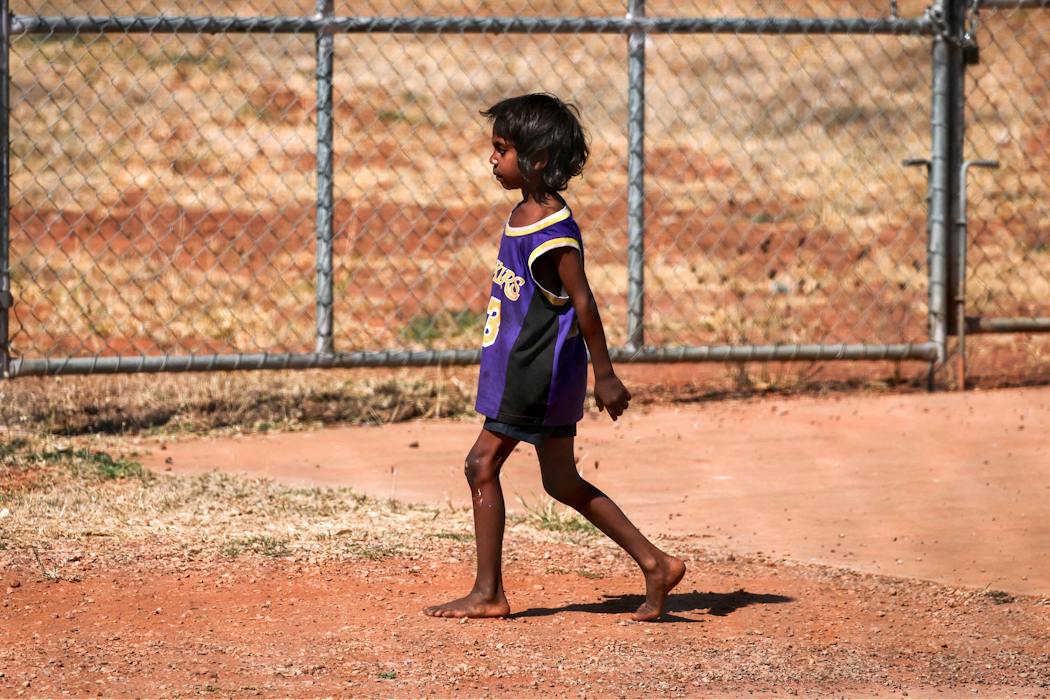
One of Australia’s most resource-rich regions, South Hedland in Western Australia, sits alongside a mining industry generating enormous wealth. This is in stark contrast to persistent social and economic disadvantage
affecting parts of the local community, particularly among Aboriginal residents.
Much of this disadvantage has made headlines recently. Multiple media outlets are reporting a child safety crisis has emerged in the area.
Reports have focused on local tragedies, including the deaths of three children in 2022, and revelations about a reported “hellhole house” in Frisby Court where up to 15 children have reportedly been living with no adult supervision, in squalid conditions.
But the language of crisis implies something unexpectedly sudden. It suggests we were unaware of the issues, or what was needed to address them.
Yet Aboriginal women in the Pilbara were describing the conditions placing children at risk six years ago. They also offered solutions, but the response has not matched the level of need.
Dire warnings
In 2020, Aboriginal women told us about concerns in South Hedland. Throughout the Pilbara, Aboriginal women spoke to the Australian Human Rights Commission as part of the Wiyi Yani U Thangani (Women’s Voices) project, led by former Aboriginal and Torres Strait Islander Social Justice Commissioner June Oscar.
South Hedland women described substance abuse, family and domestic violence, mental health concerns, racism, unemployment and housing issues.
They also spoke about children’s safety being compromised at times, with girls sometimes running away and wandering the streets alone.
Women in South Hedland called for practical responses, including a holistic healing centre for men who perpetrate violence and better access to substance abuse services. They described bureaucracy and waiting periods as barriers to treatment at the point where someone was ready to seek help.
While there has been some investment in the Pilbara since 2020, services are working in an extraordinarily complex environment, often with high demand and workforce pressures. Nowhere is this more evident than in child protection.
In 2024–25, 12,529 children were the subject of child protection investigations in Western Australia. About 41% of these concerned First Nations children.
More than half of the total investigations concerned children who had previously been involved with the system. This is a pattern evident nationally.
Repeated child protection involvement indicates substantial and persistent family need. It also highlights the limits of expecting the statutory child protection system to resolve these problems alone.
Is removal the best option?
Across Australia, families coming to the attention of child protection authorities are experiencing multiple, often overlapping challenges. These include family and domestic violence, mental health concerns, substance abuse, housing instability, poverty and unemployment.
While some may believe the answer lies in more child removals, evidence shows removal can create new risks and harms. For Aboriginal children, child removal also repeats the destructive cycle of disconnection from family, culture and community.
This is not to say that removal should never occur. Rather, with appropriate and accessible support, parents can often address concerns before they escalate, while extended family can step in where additional care is needed.
Sophisticated child safety responses must go beyond child protective services. Keeping children safe requires early, targeted support alongside practical and therapeutic responses to the reasons children end up in the protection system. The earlier these supports are provided, the greater the chance of success.
There are solutions
Recent events demand scrutiny and accountability. But tragedies in child protection also create a risk of policy being driven by outrage and the court of public opinion.
Aboriginal children’s safety matters. That we can all agree on. But how we achieve that safety requires a nuanced, considered approach, consistent with evidence and local, on-the-ground expertise from people living in their communities.
If the concerns for Aboriginal children’s safety are genuine, then the response must act on Aboriginal solutions, rather than imposing solutions on families and communities.
Aboriginal community-controlled organisations have demonstrated what is possible when appropriately resourced.
The Victorian Aboriginal Child and Community Agency has trialled an Aboriginal-led initiative to safely divert families away from the child protection system. The program achieved a 78% diversion rate.
Rather than close the report and wait for the next one, families were offered support to address the issues bringing them to child protection’s attention. This success demonstrates that Aboriginal solutions work.
Family-led decision-making offers another avenue. Evidence from South Australia indicates family decision-making can reduce substantiated child maltreatment and entry into out-of-home care.
WA has already taken steps in this direction. Yet five years after the Aboriginal Family-Led Decision-Making pilot began, it remains limited to two areas and is unavailable in the Pilbara.
The WA government’s commitment of $7.2 million over four years to continue the pilot represents important progress. However, there is an opportunity to expand it across Western Australia alongside greater investment in services families need before reaching crisis point.
Keeping children safe requires governments to invest in the conditions that make safety possible. No family decision-making forum can manufacture a house that doesn’t exist, a rehabilitation bed that is unavailable, or a mental health service that cannot be accessed.
We do not need another tragedy to tell us what Aboriginal communities need. They have already told us. It’s time we started listening, and acting on it.
Jacynta Krakouer receives funding from the Australian Research Council for the Discovery Indigenous project "Aboriginal unborn reporting and infant removals by child protection".
Renna Gayde receives funding from the Australian Research Council for the Discovery Indigenous Project "Aboriginal unborn reporting and infant removals by child protection". She is affiliated with Womens Legal Service WA and Curtin University of Technology.