The International Olympic Committee wants mental health screening in elite sports. Here’s why
- Written by: Weekend Times
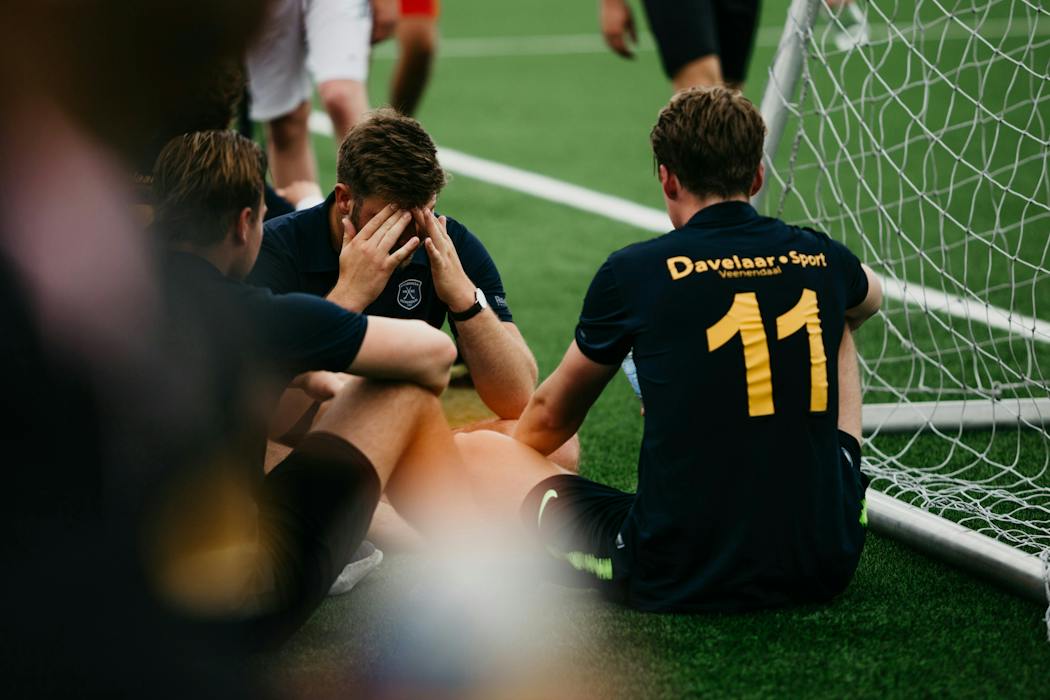
Elite athletes are exposed to a range of sport-specific factors that can heighten their vulnerability to mental ill-health. These include injury, overtraining, burnout, performance-related pressures, intense public scrutiny and
Despite these risks, athletes are often perceived as models of psychological resilience, able to withstand the inherent tension of competing at the highest levels. The mythology of the “mentally tough” or bullet-proof athlete often obscures the reality of elite sport’s mental toll.
This is why the International Olympic Committee (IOC) is encouraging elite level sports around the world to develop stronger mental health protocols for athletes.
The IOC targets early intervention
I was one of a global network of academics who helped develop the IOC’s recently updated expert consensus statement on mental health in elite sport.
With an emphasis on better early intervention, a key element is mental health screening. This is where athletes complete brief, structured questions to identify possible signs of mental health difficulties that may warrant further assessment.
Mental health screening in elite sport has several aims. The primary purpose is to detect risks for mental ill-health as early as possible so effective support or treatment can be provided in a timely way.
When used alongside routine physical health checks, it can help normalise mental health as a legitimate performance and health concern within elite sport, which might also improve help-seeking when needed. Many athletes struggle to speak up or ask for help. For some, it may take a crisis to receive the mental health support they need.
Since pre-competition stress is common, along with fluctuating emotional states during a season, screening can also help differentiate sport-related distress from more specific mental health symptoms such as depression, anxiety, substance misuse or an eating disorder.
When and why to screen
The IOC consensus statement recommends screening at various timepoints, such as:
- the beginning of a competitive season
- after major events like world championships or the Olympics (given the risks of “post-event blues”)
- after significant injuries including concussion, given the strong association between injury and impaired mental health
- during the transition out of sport (retirement or delisting) which can be a risky time for mental health.
The “why” to screen is more straightforward. It should be used to detect athletes who may be at risk of mental health difficulties so they can be referred to a mental health professional for further assessment, or be provided with support as early as possible.
It should never be used to “screen-out” athletes (that is, deciding they are unsuitable to compete or be part of a team based on a short screening tool). The purpose of screening is to help athletes access support when needed, not cause harm to their careers.
So, how do you screen?
Mental health screening in elite sport is not risk-free. There may be unintended consequences, such as stigma, shame or embarrassment, among athletes who need further assessment or support.
These concerns can usually be overcome if the screening is performed ethically by specialist practitioners. They can build trust that the results won’t be used “against” athletes and ensure sensitive mental health information will be respected and kept confidential.
Creating an ethical environment for screening is also crucial to ensure athletes feel comfortable and confident to accurately report their experiences on screening tools, rather than approach it as a “box ticking exercise”.
What about in community sport?
Elite and professional sports are generally well-resourced. This usually isn’t the case in community sports.
If there aren’t skilled and ethical practitioners available, mental health screening should not be carried out.
Instead, Australian best-practice guidelines for mental health in community sport can be used. These emphasise the importance of building mental health literacy (an awareness and understanding of the signs of mental ill-health) and pathways to mental health support in local communities.
The best-practice guidelines include:
- reducing stigma by promoting positive attitudes about the importance of mental health
- supporting coach development so they engage in safe and supportive coaching practices
- developing critical incident responses plans so sporting clubs can effectively respond to mental health emergencies (such as risk of suicide or self harm)
- developing a mental health action plan outlining how the sport will prevent, promote and respond to mental health.
What are the next steps?
Australian elite sports have done well over the past few decades to build greater awareness of mental health. Being able to screen for and respond to mental health needs is a further mark of progress.
The next challenge is to create elite sport environments that prevent (as far as possible) sport-related stressors from impacting the mental health of athletes.
Rosemary Purcell is a co-author of the IOC Expert Consensus Statement on Mental Health in Elite Sport (2026) and has previously worked as a consultant on mental health to the IOC.